
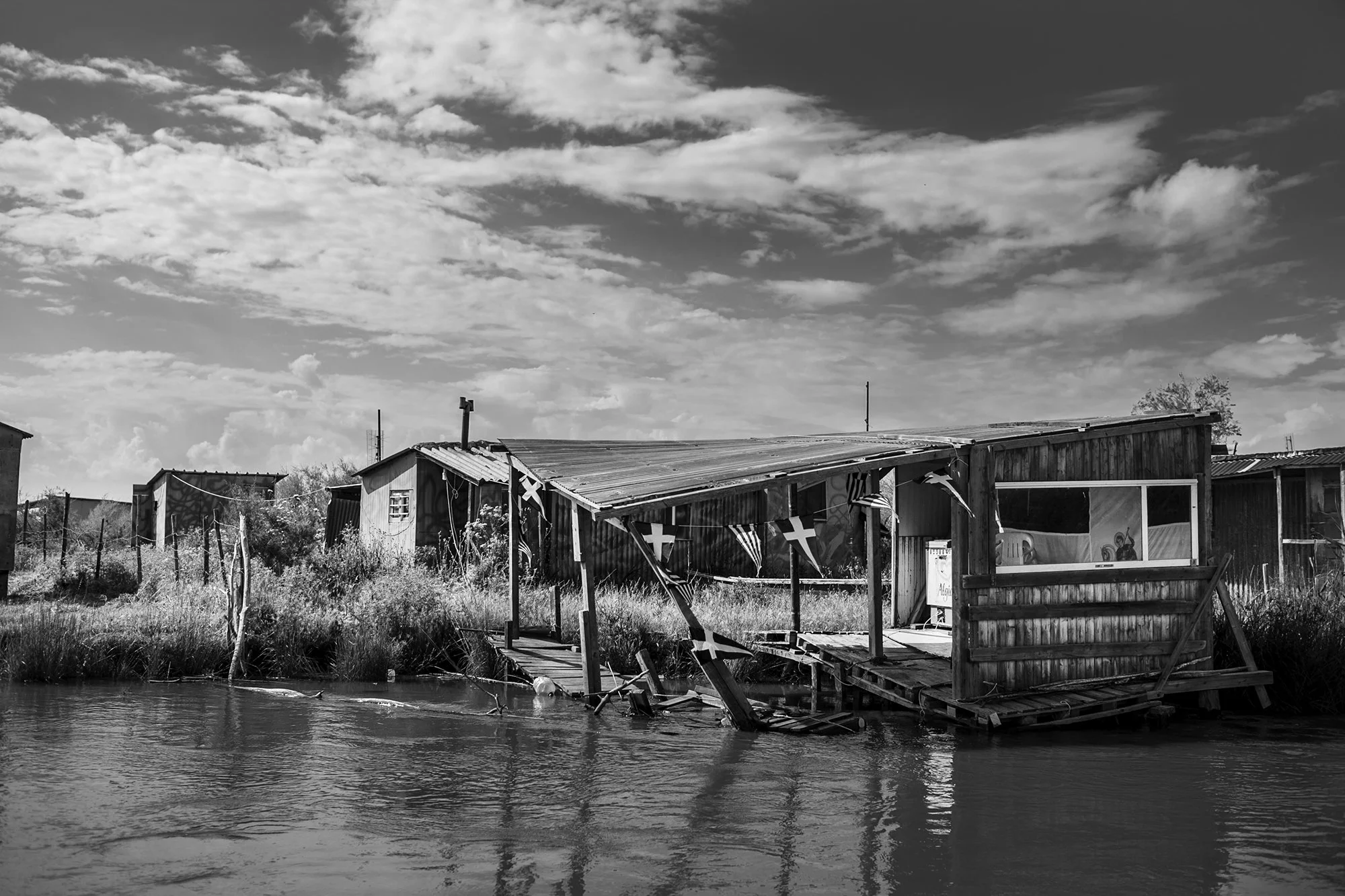
“Narratives through the Eye”
Art & Photography Residency
in a Mysterious Land
Thrace Greece 2026
An immersive program set in the mysterious landscapes of Thrace, offering a rare opportunity to explore borderlands, cultural memory, and local traditions.
Deadline 28 February
Deadline 28 February
Overview
At the geographical and symbolic border between West and East, Thrace unfolds as a land of memory, ritual, and coexistence.
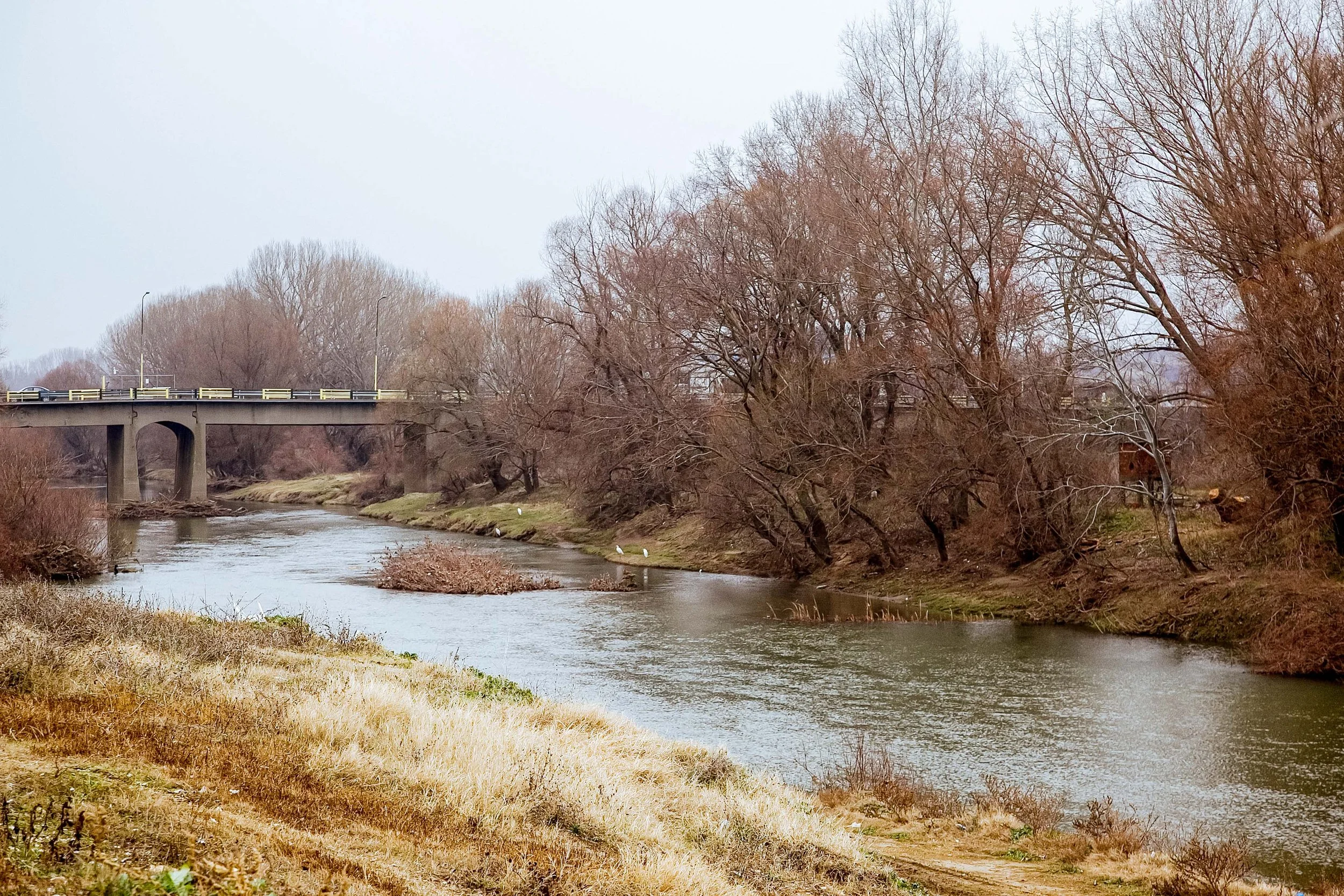
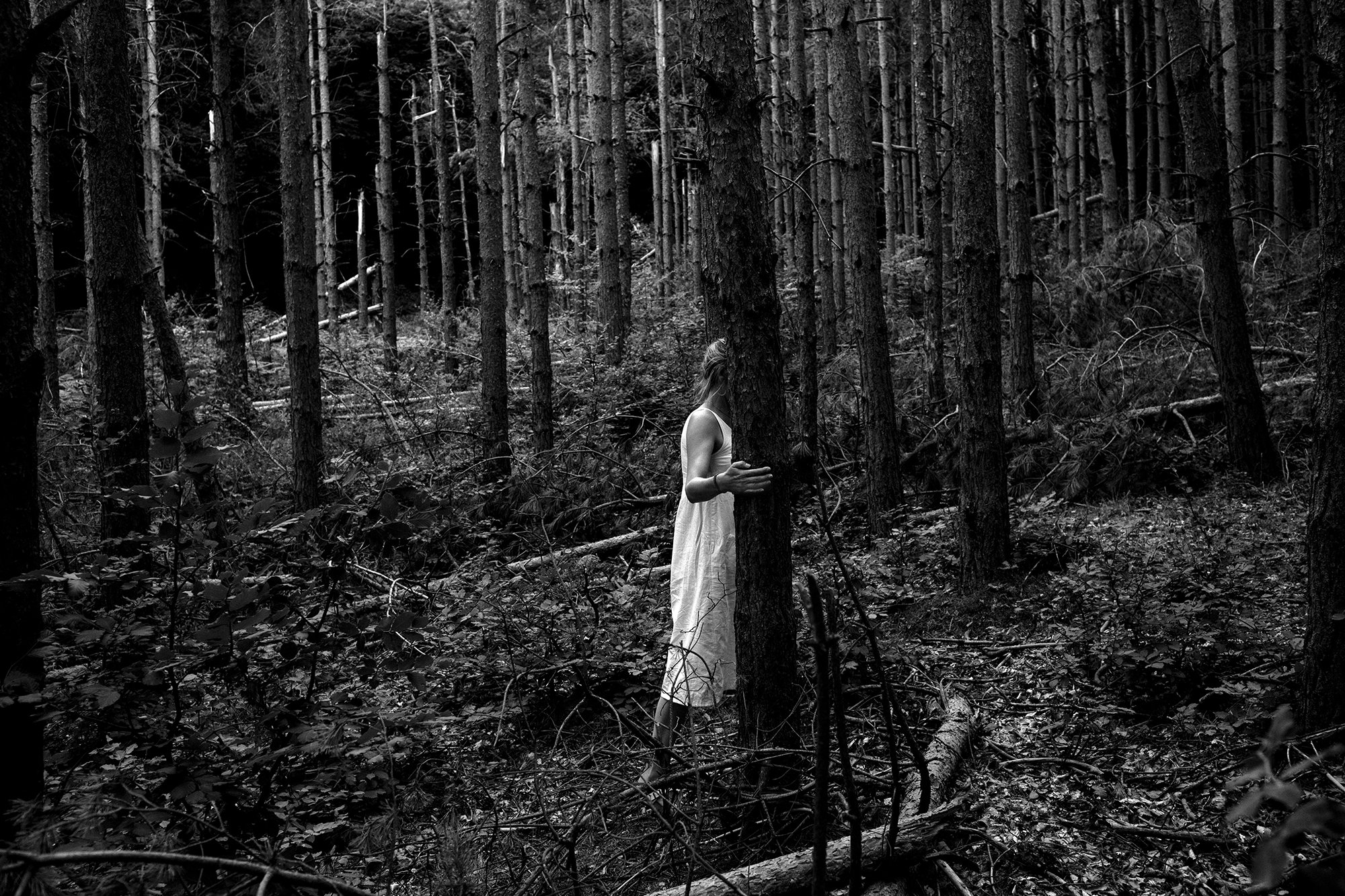
In the forests of Rhodope, the mythical homeland of Orpheus, and along the Evros River, the natural boundary between worlds, artists are invited to enter a field of observation and creation.
Narratives through the eye is an intensive art and photography residency dedicated to personal documentary practice.
Through fieldwork, research, and daily dialogue, participants explore the people, landscapes, and living traditions of a region shaped by migration, faith, and historical rupture.
The residency investigates themes such as:
– historical memory and nostalgia
– borders and coexistence
– religious and cultural plurality
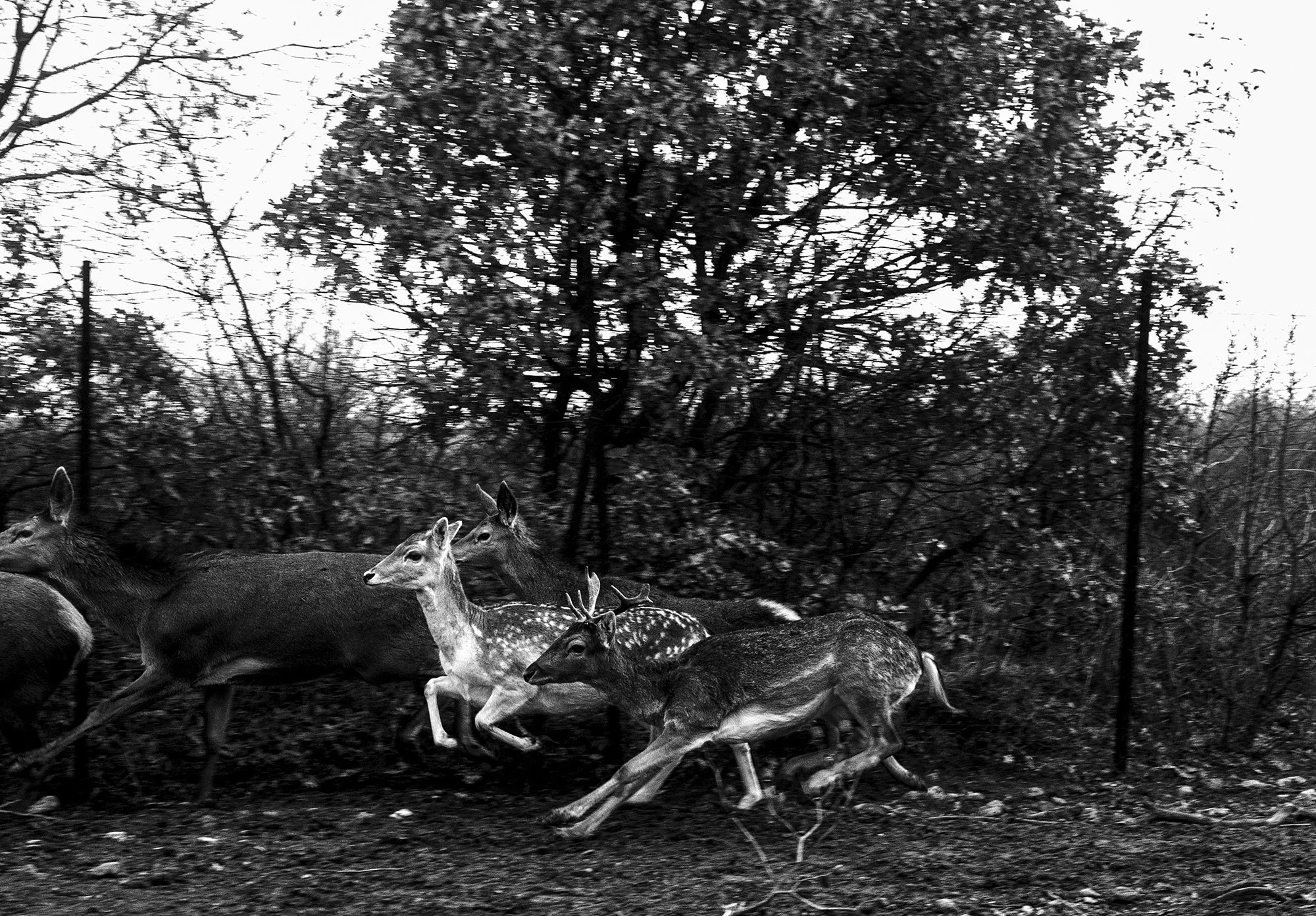
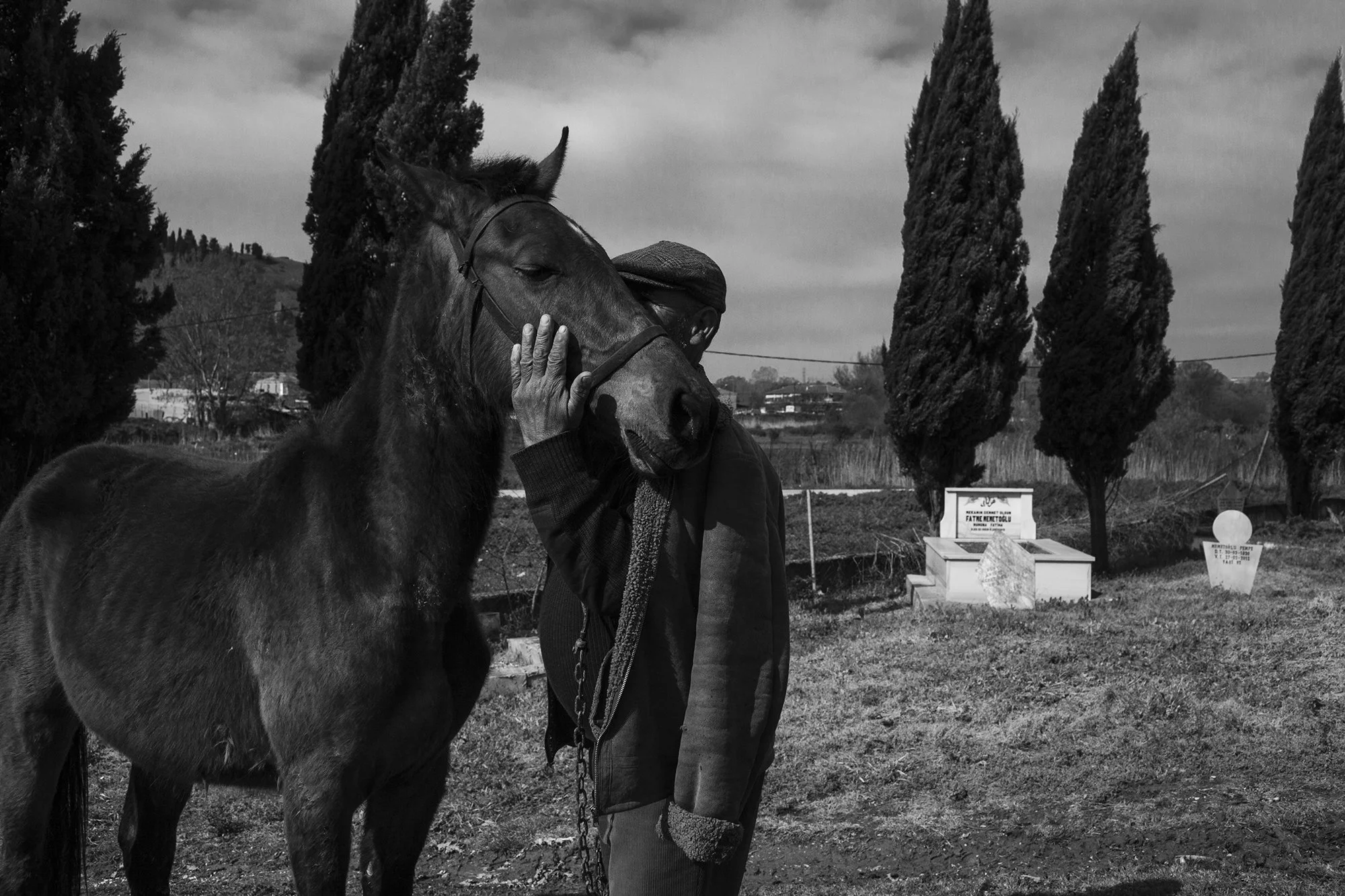
– the relationship between humans, nature, and animals
Thrace becomes a living archive — where ancient customs meet contemporary realities, and documentary practice becomes a tool of listening and presence.
The Territory
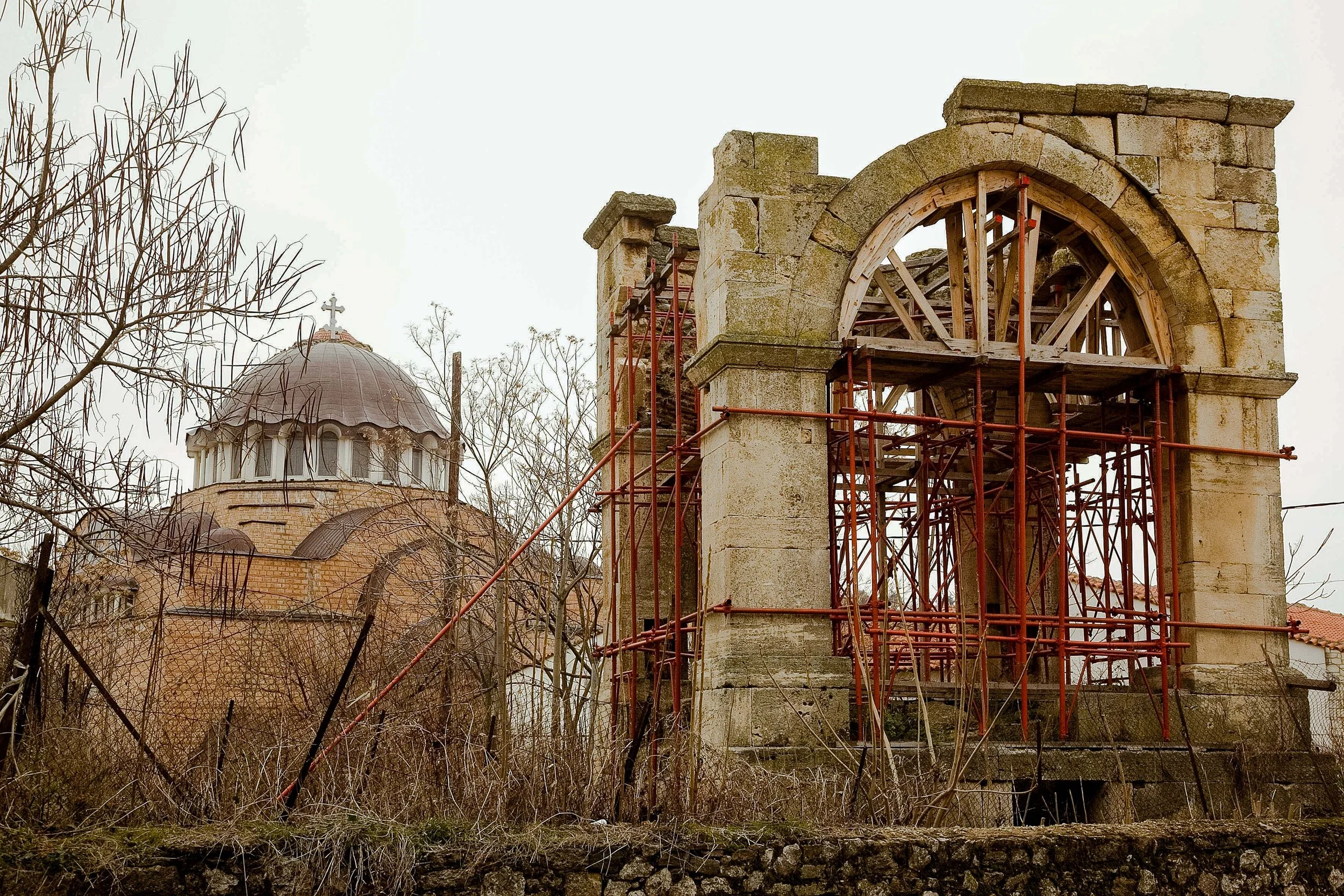
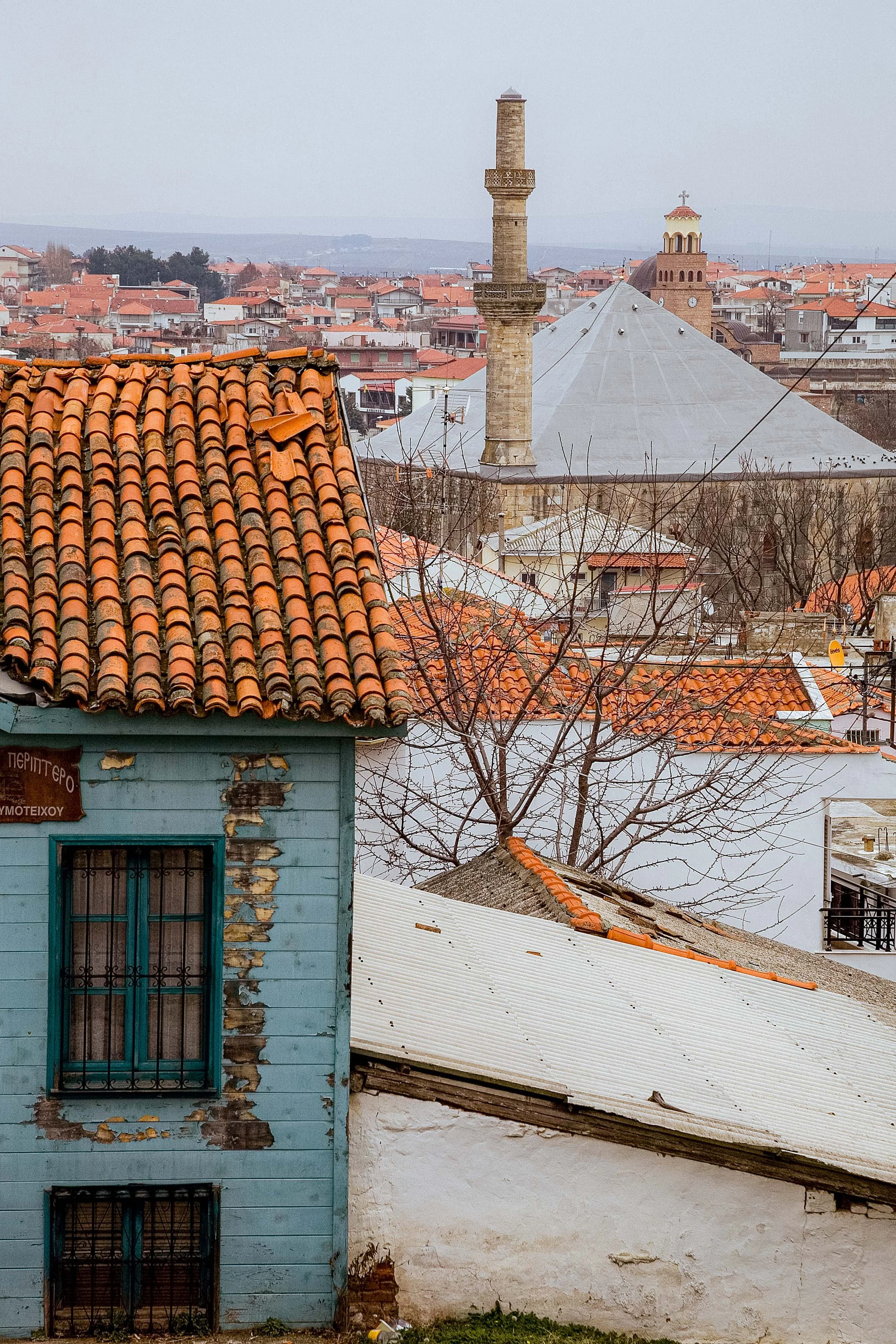
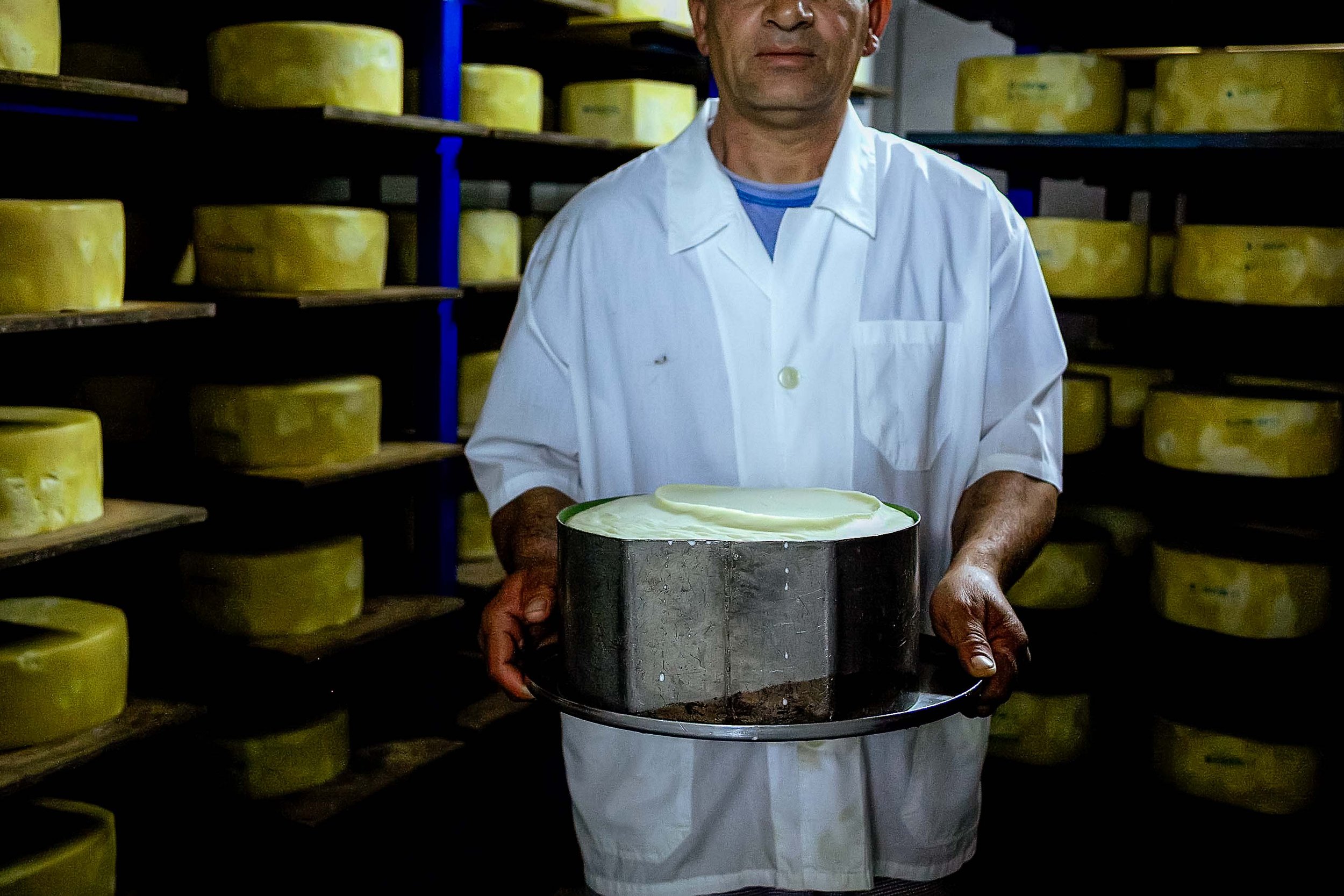
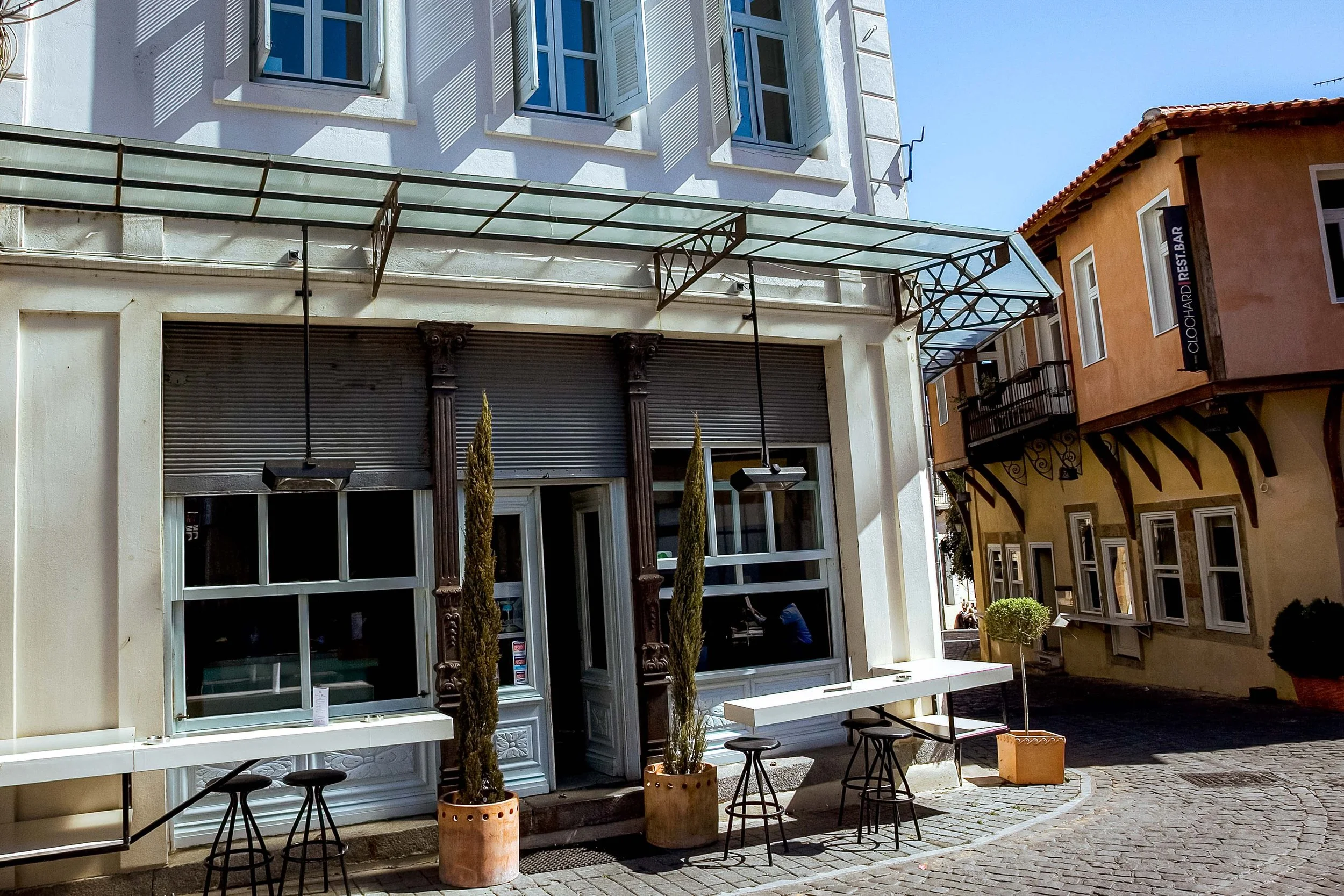
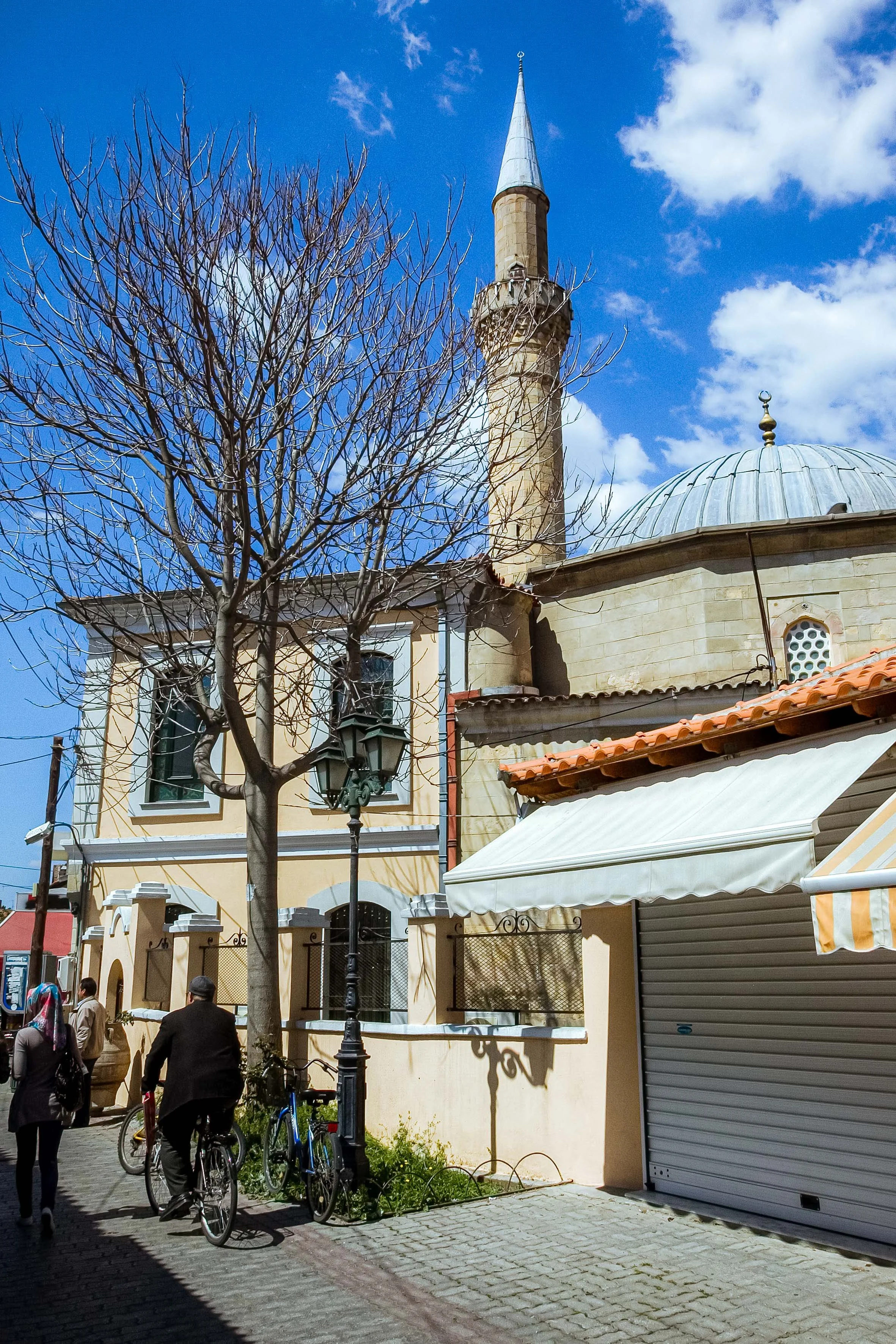
Known since antiquity as a crossroads of civilizations — from the Via Egnatia linking Rome to Constantinople to the modern borders of Europe — Thrace is marked by layers of history and movement.
Rivers such as Evros, Nestos, Ardas, and Erythropotamos shape a fertile and diverse landscape.
The smoke of abandoned tobacco warehouses recalls the cosmopolitan 20th century, when Christians, Muslims, and Jews lived and prospered together.
The region is home to:
– the last Alevi community in Greece
– refugee cultures from Asia Minor following the Treaty of Lausanne
– the Silk Road heritage of Soufli
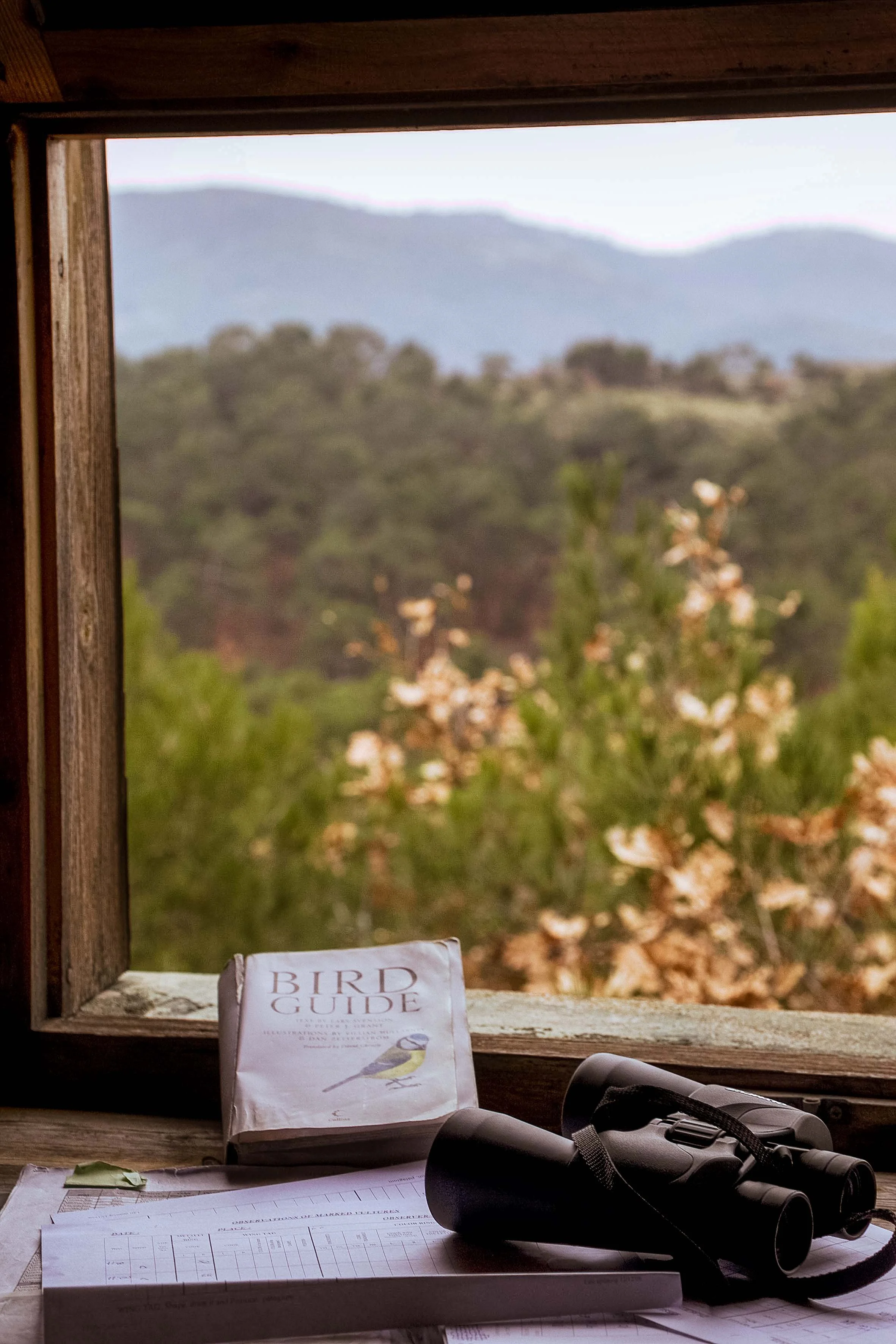
– the Dadia Forest, one of Europe’s most important habitats for birds of prey
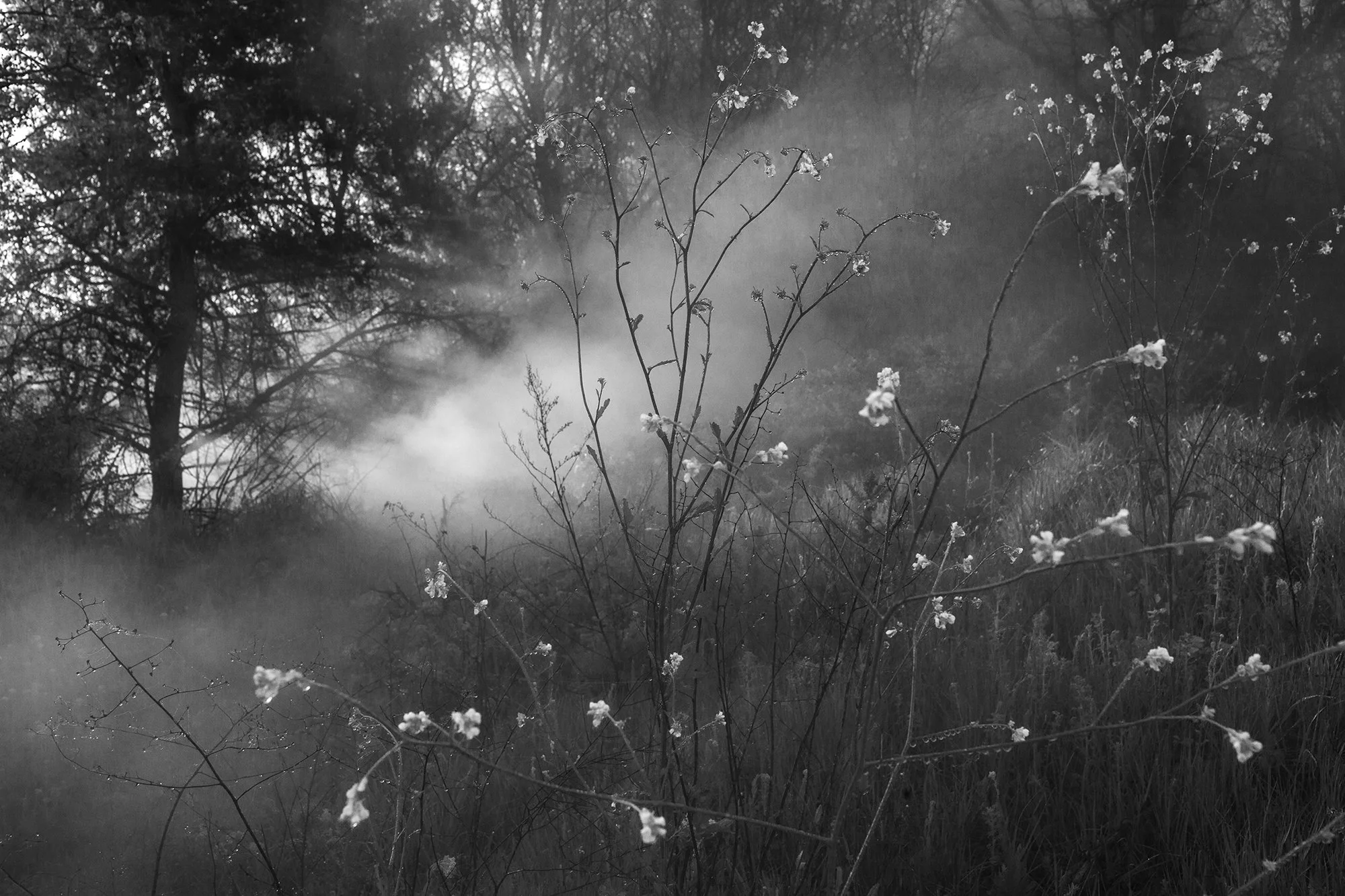
In the Rhodope Mountains, dense vegetation and Orphic echoes give rise to a powerful sense of myth, continuity, and resistance to disappearance.

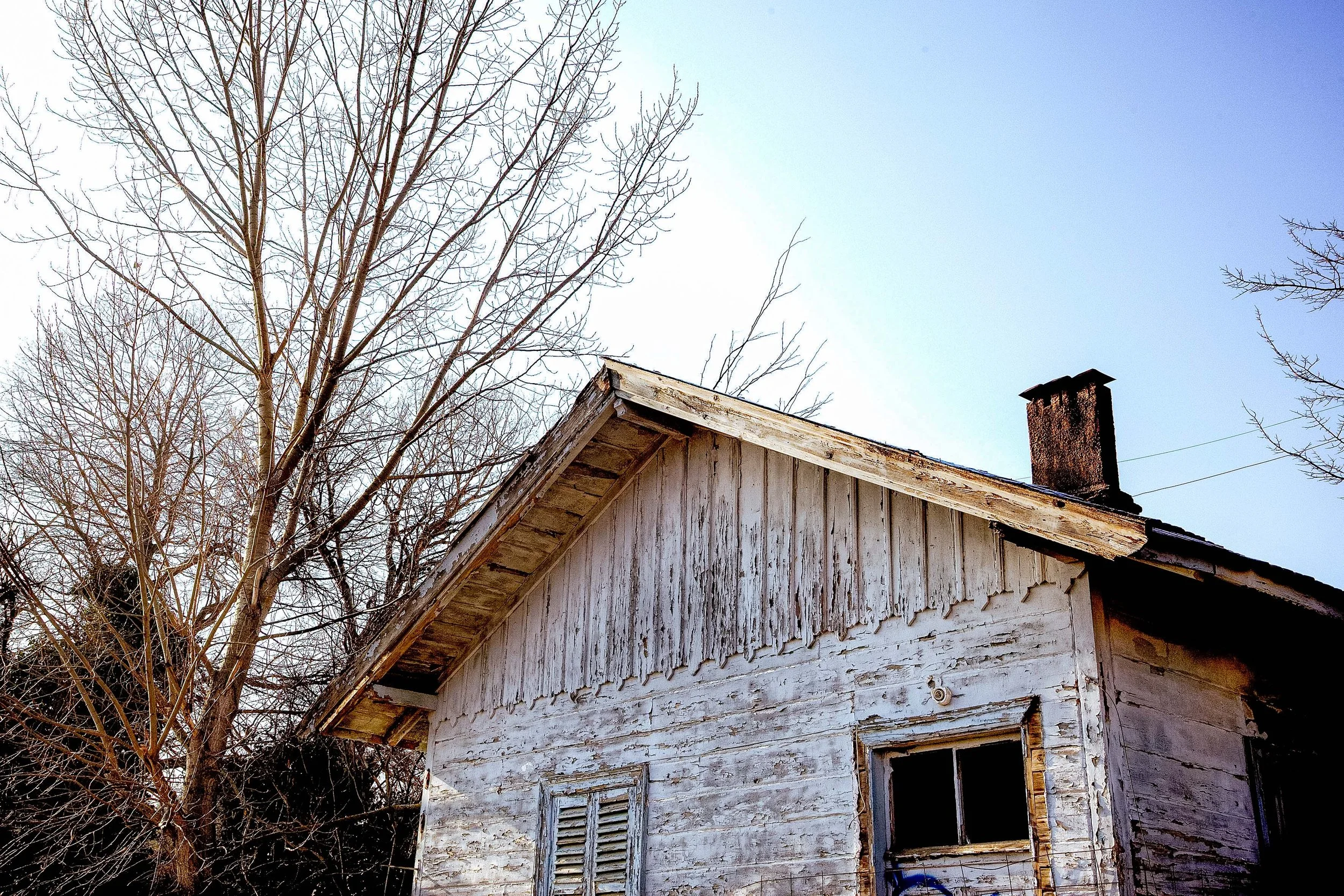
Philosophy of the Program
Artistic Approach
The residency emphasizes observation, research, and personal vision as foundations of documentary photography.
Participants draw inspiration from:
– local myths and oral histories
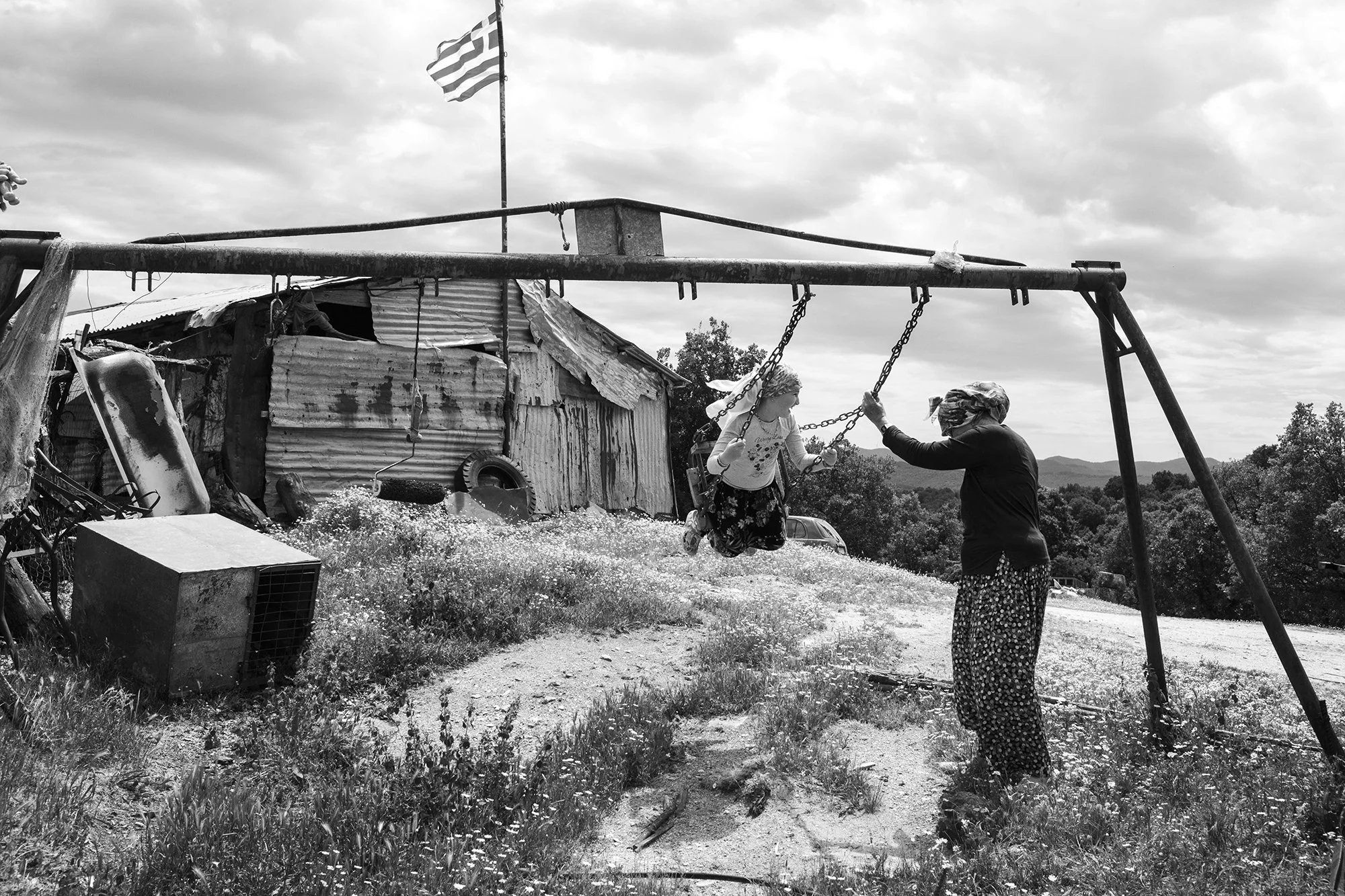
– rituals, customs, and women’s clothing
– small communities and migration narratives
Documentary and fiction techniques are encouraged to coexist — allowing artists to translate lived experience into a personal narrative language.
The field becomes a space where each participant develops their own photographic identity while engaging deeply with place and people.
Daily Program
Morning
Brief introduction to the day’s focus. Guidance on observation and research. Departure to the field.
Afternoon
Return and rest. Editing, sequencing, and organizing the material produced during the day.
Evening
Group meetings, image reviews, and open dialogue. Reflection on individual work and preparation for the next day’s field challenges.
The Role of the Mentor — Guidance Through Presence
The mentor supports participants in understanding the specificities of the field and the ethical, cultural, and visual challenges it presents.
Through daily practice, individual discussions, and group critique, the mentor:
– shares knowledge from long-term research in Thrace
– helps refine each artist’s investigative gaze
– supports the development of narrative structure and visual language
Guidance is offered with respect for the authenticity and uniqueness of each participant’s approach.
Outcome — From Observation to Offering
By the end of the residency, each participant develops an individual body of photographic work focused on Thrace.
This work becomes a key chapter in their portfolio — either as a continuation of long-term research or as the starting point for future projects.
The program concludes with a collective presentation and group exhibition, bringing together participants and organizers in a shared reflection on the field experience.
Meet your curators
Antonis Pasvantis
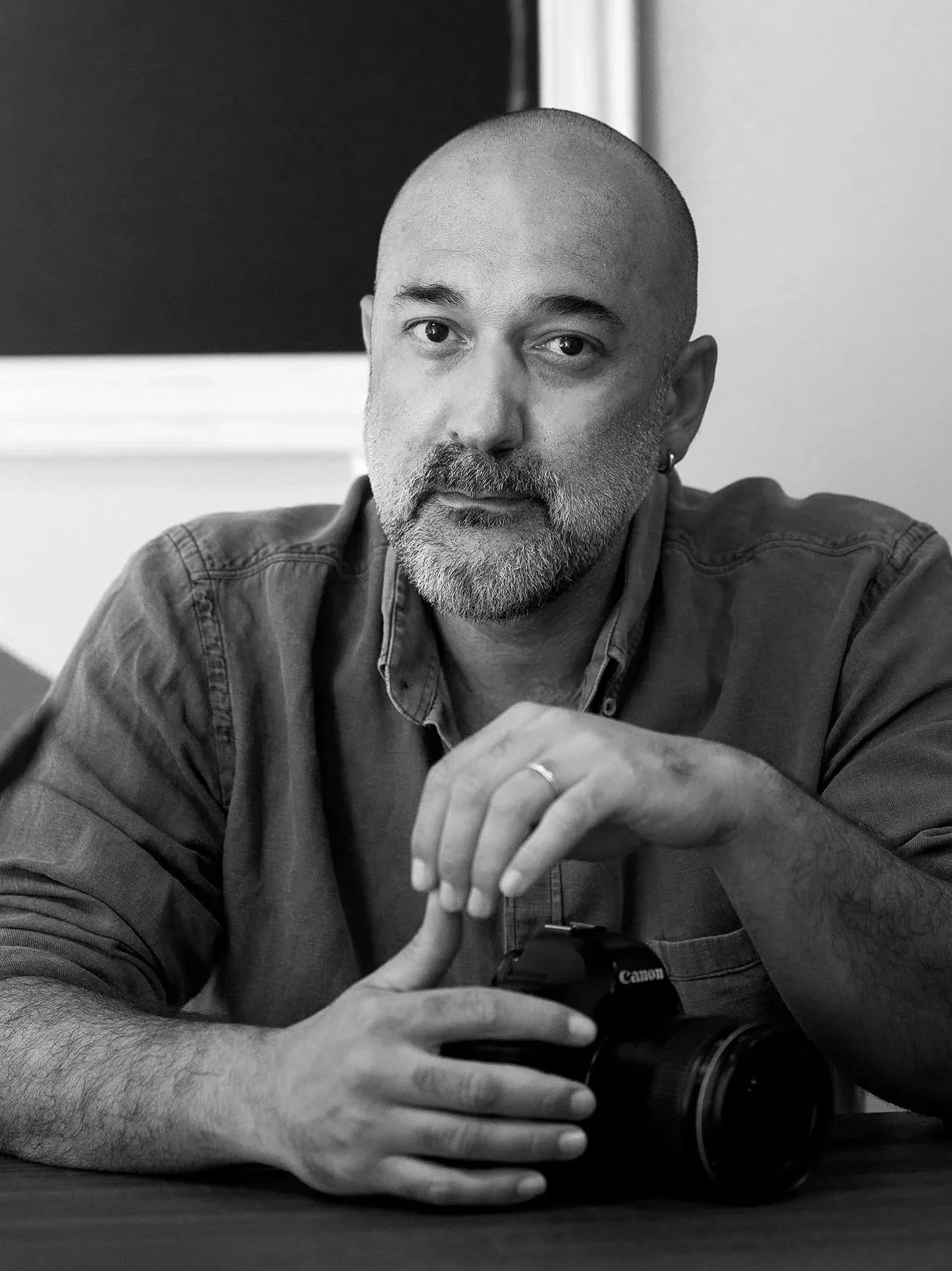
Stratos Kalafatis
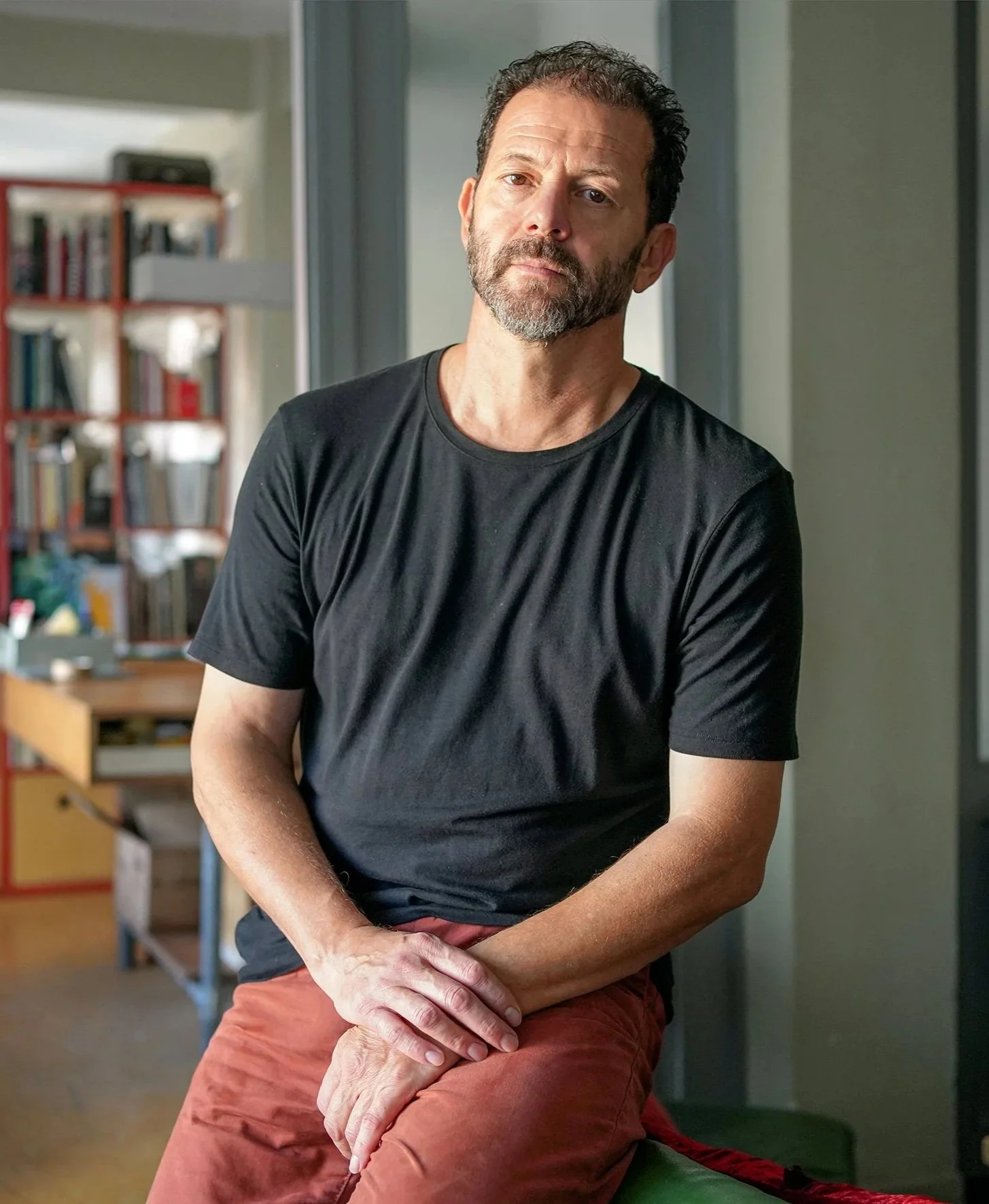
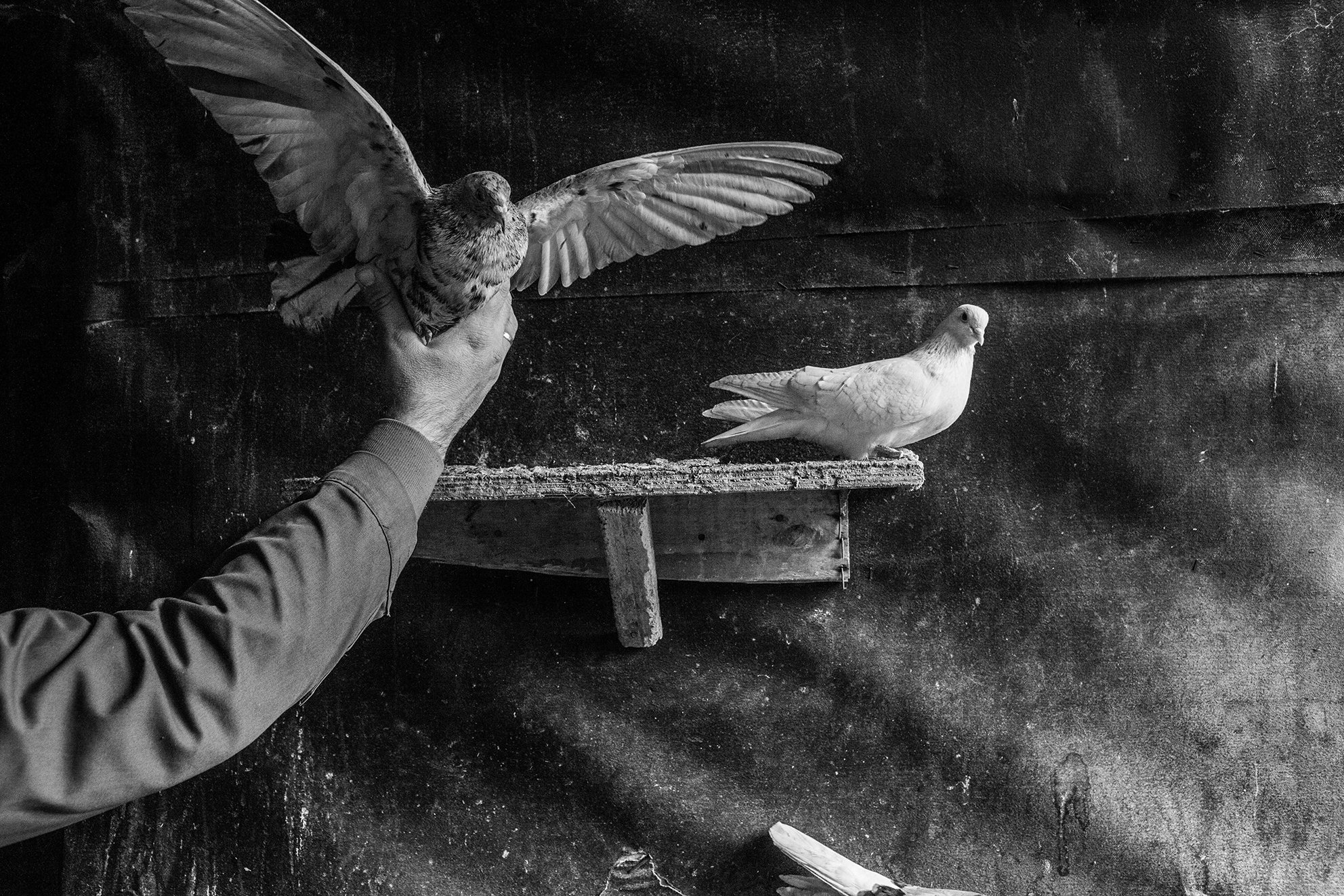
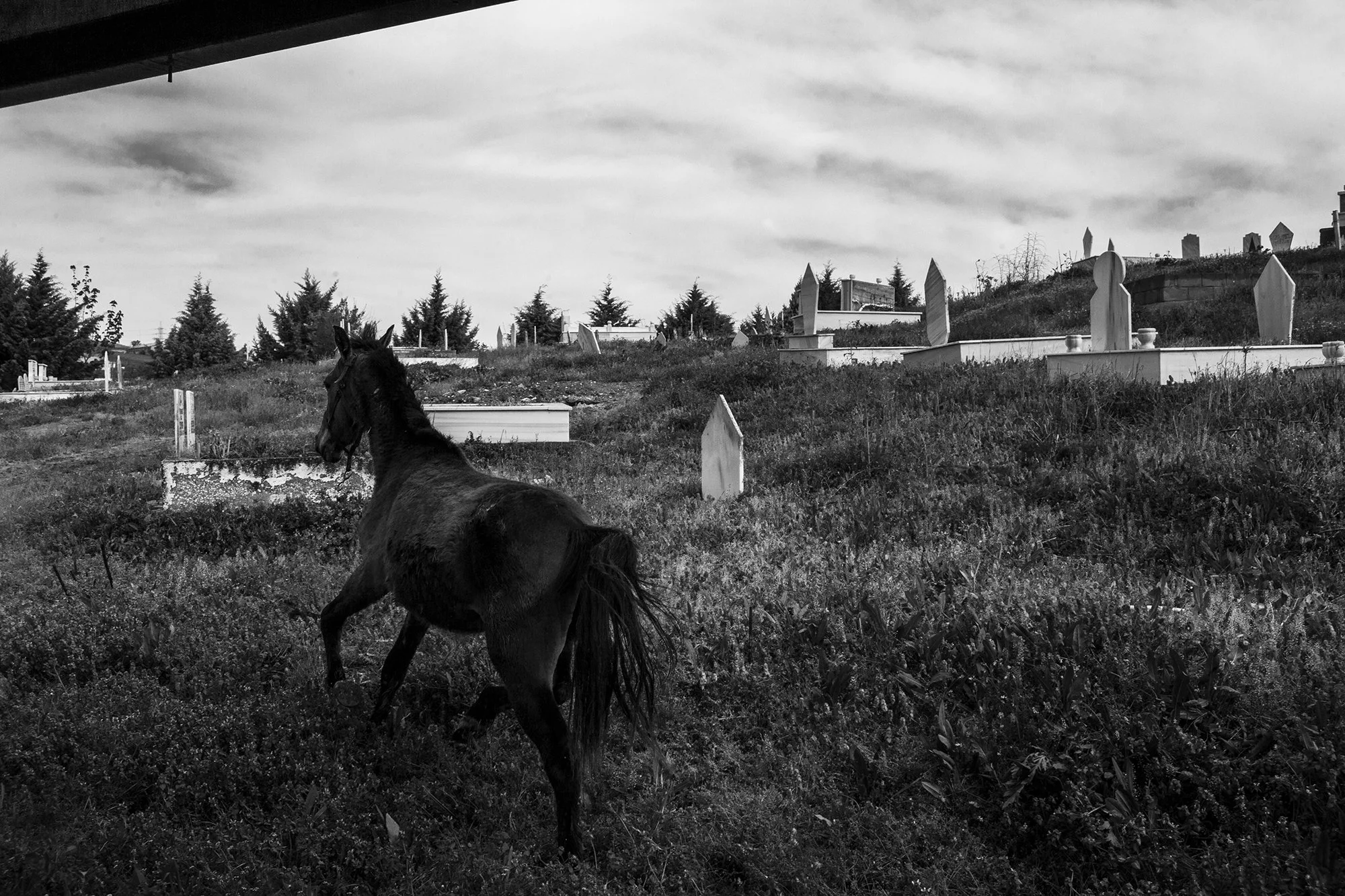
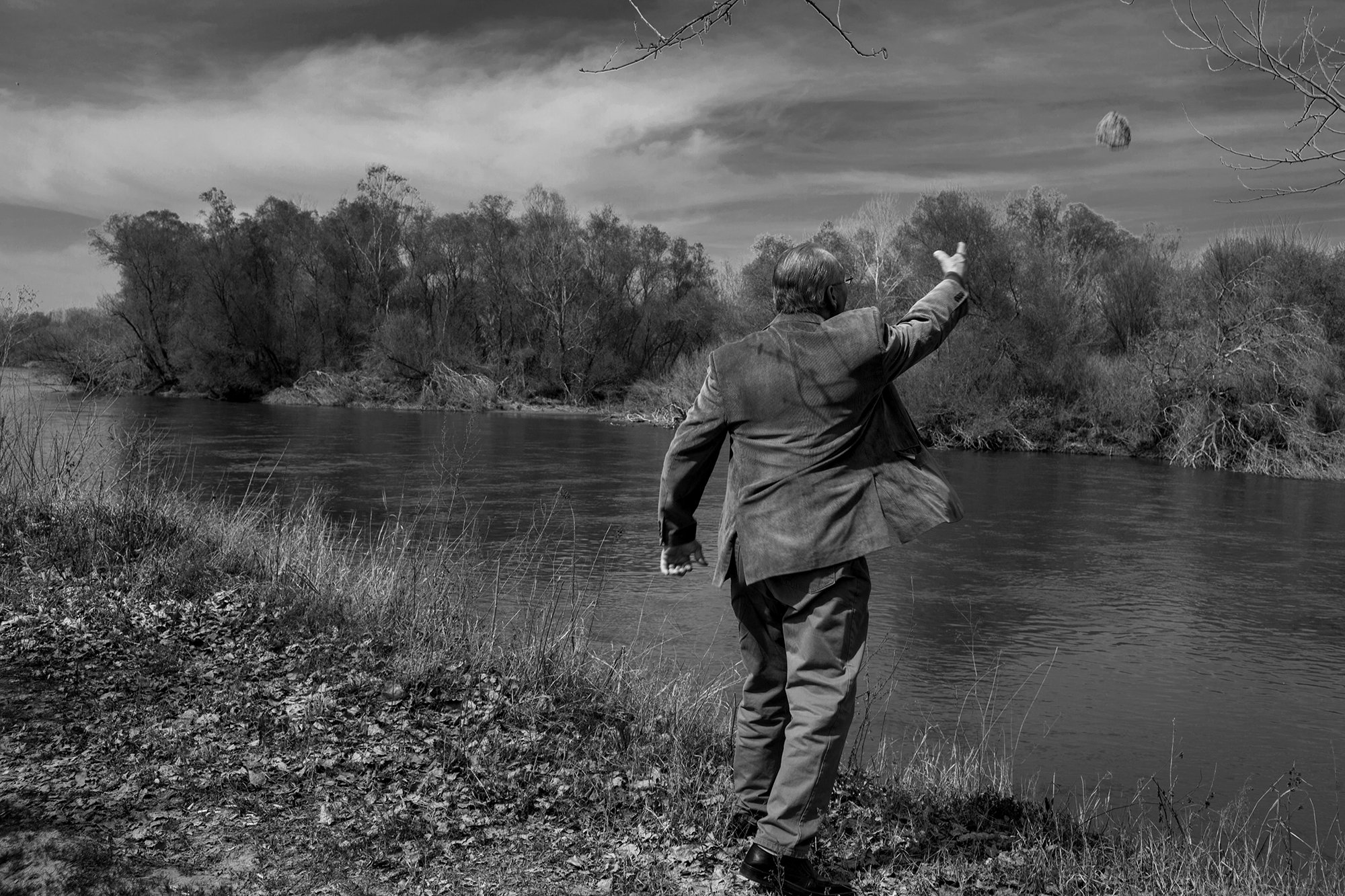
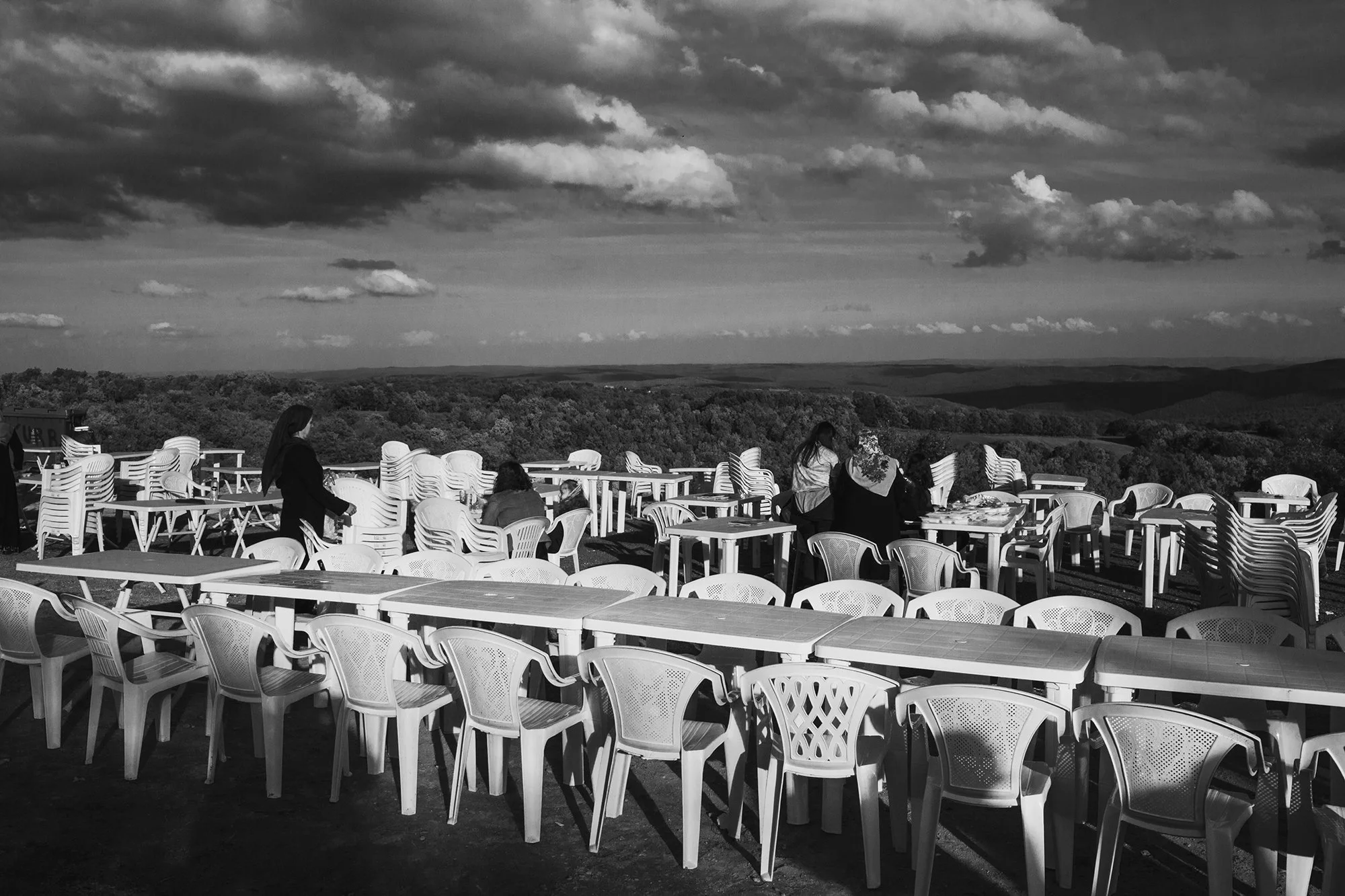
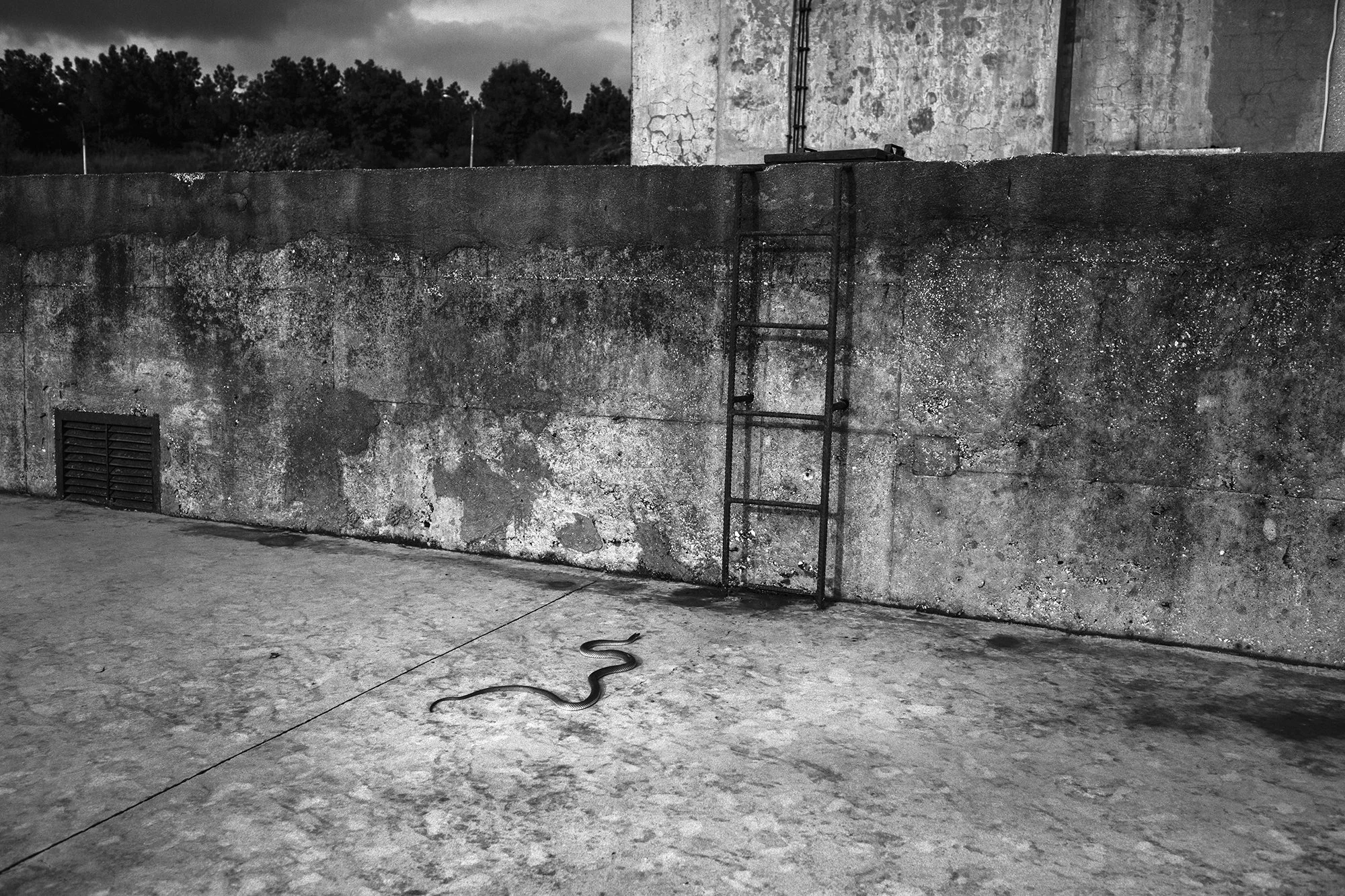
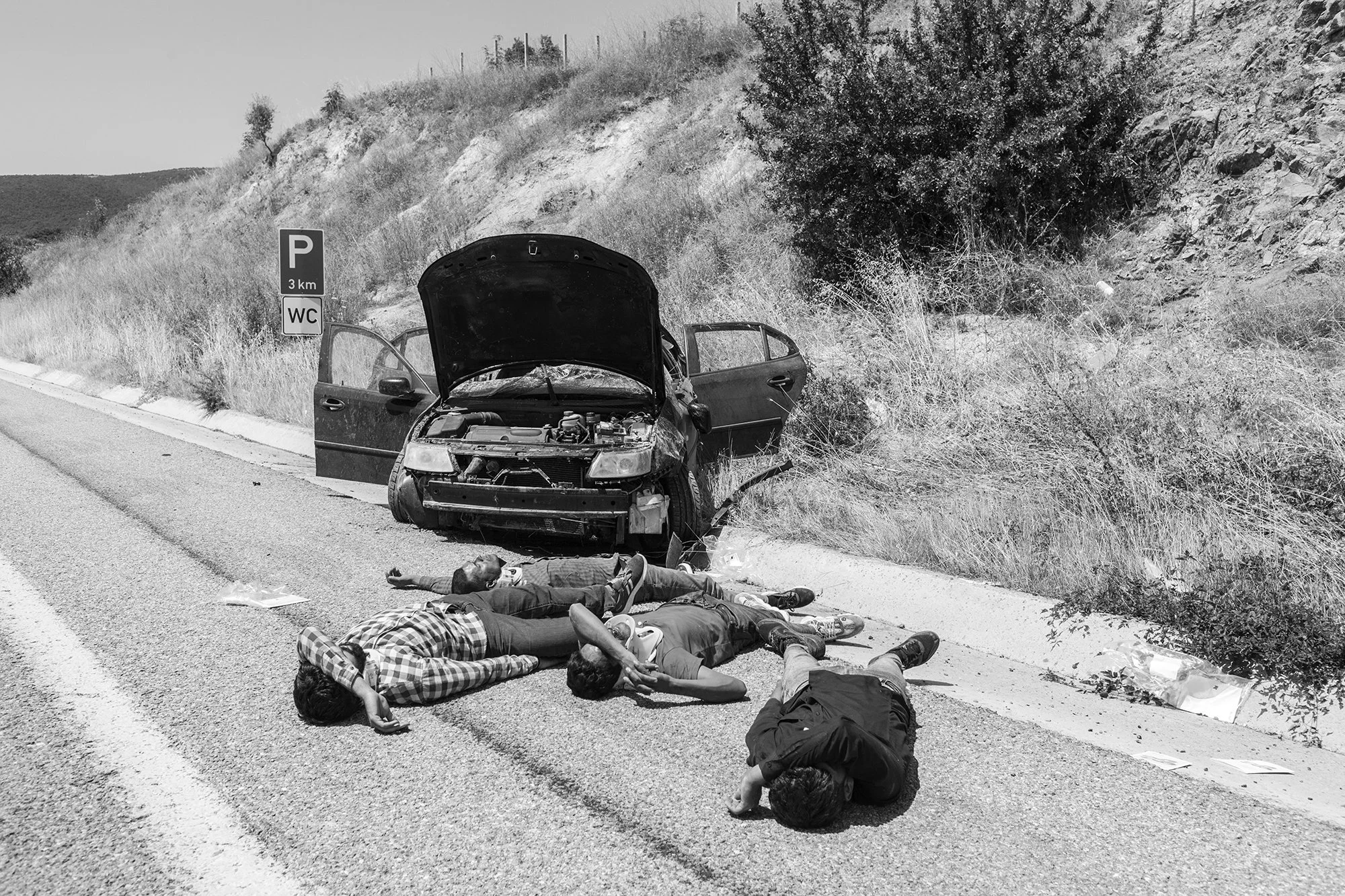
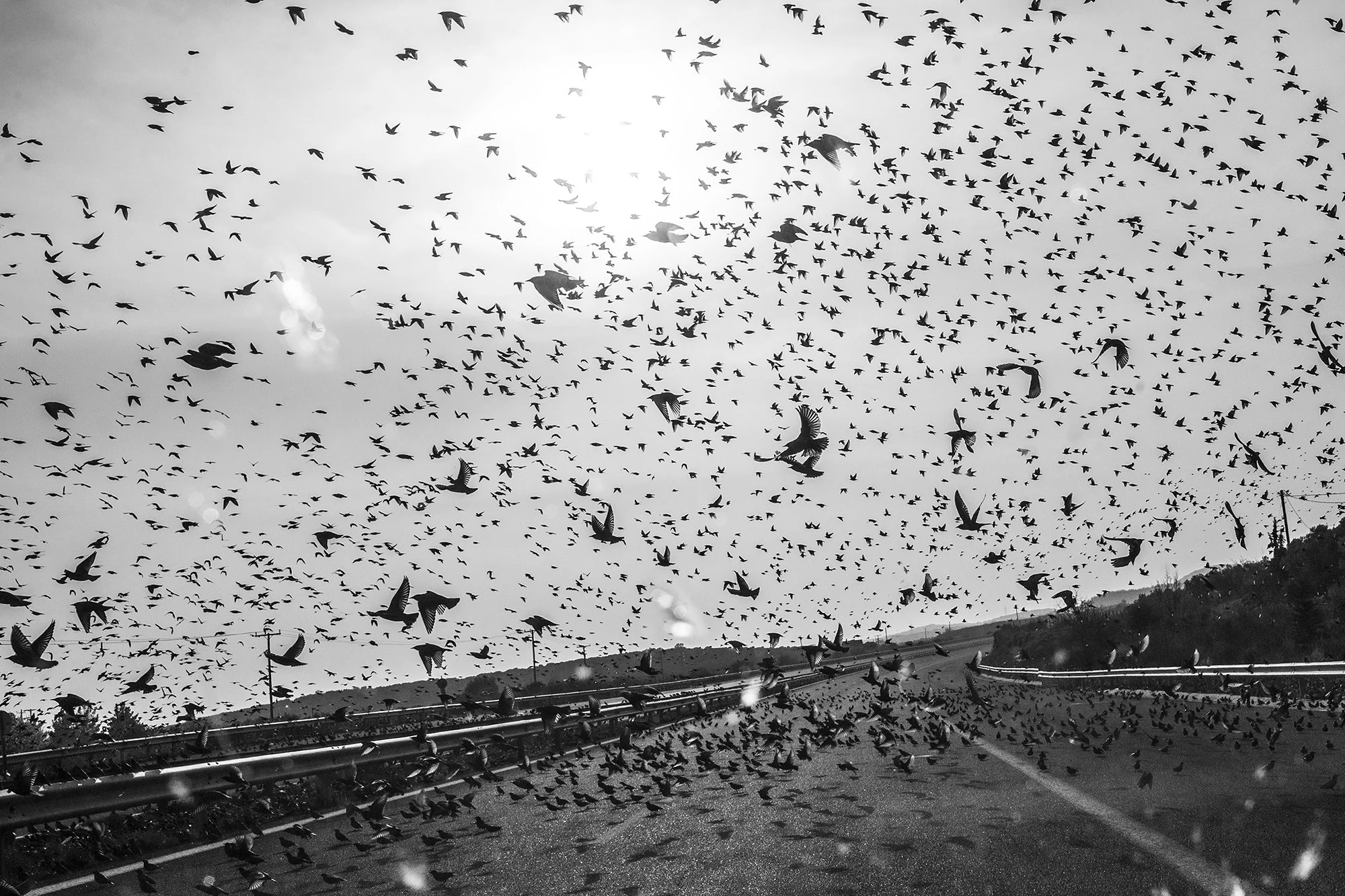
Antonis Pasvantis is an artist and photographer whose work explores the impact of borders — geographical, social, and psychological — on human lives.
His practice focuses on vulnerable populations, minorities, and small communities, examining their relationship with territory, nature, and memory.
Balancing documentary photography with elements of symbolism and fiction, his work operates between record and interpretation.
His book Evros, Life on the Banks was published by Potamos Publications, documenting life along the Greek–Turkish border.
Pasvantis is the winner of Athens Photo World 2023 for his project The Last Community, and his work has been exhibited internationally.
Stratos was born in Kavala and graduated from the PE department of the Aristotle University of Thessaloniki. He has attended photography classes at the Art Institute of Philadelphia – USA.
During the last thirty years, his photography has been presented at private art galleries, museums, festivals and art events throughout the world.
His photobooks are available from Agra
Archetypal Images (1999), Journal 1998-2002 (2004),
Athos / The colours of faith (1 st edition 2014 and 2nd edition 2018)
Archipelago (2017). He is represented by Bernier / Eliades Gallery - Athens.
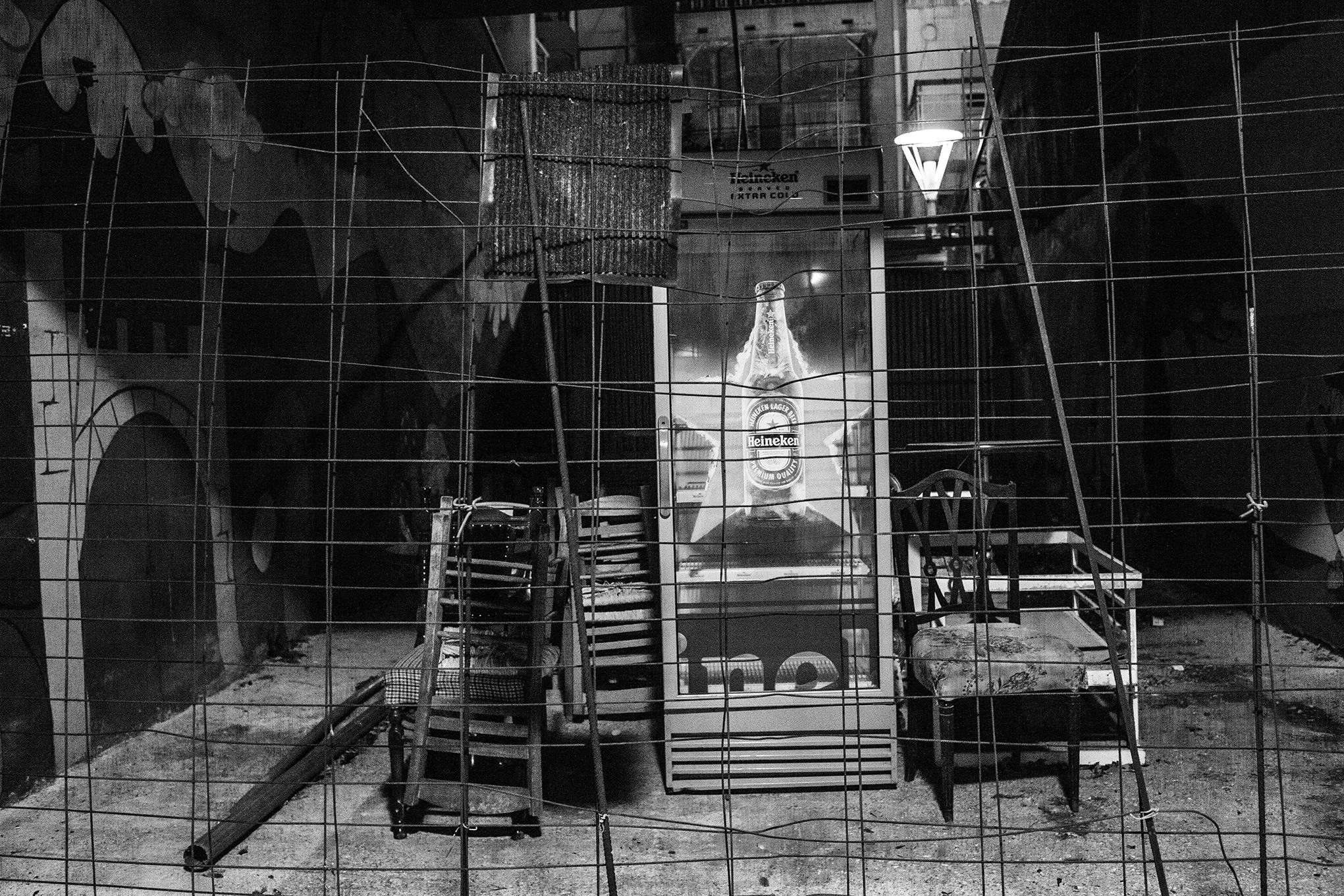
What Is Included
The participation fee includes:
Airport pickup from Alexandroupolis Airport and transfer to the guesthouse
Accommodation in a private room with bathroom and breakfast
Daily transportation by van to field locations
Continuous mentoring and curatorial guidance
Visit to the Silk Museum of Soufli
Two-day excursion to the Pomak villages of Xanthi and thermal springs
Collective exhibition / presentation of the works
Curated and directed by: Eutopia Art Residency
In collaboration with: Antonis Pasvantis
Location: Thrace, Greece
Dates: May 4–11, 2026
Language: English / Greek
Participants: 12
Deadline: 15 of February 2025
Coordination
Housing and Workspace
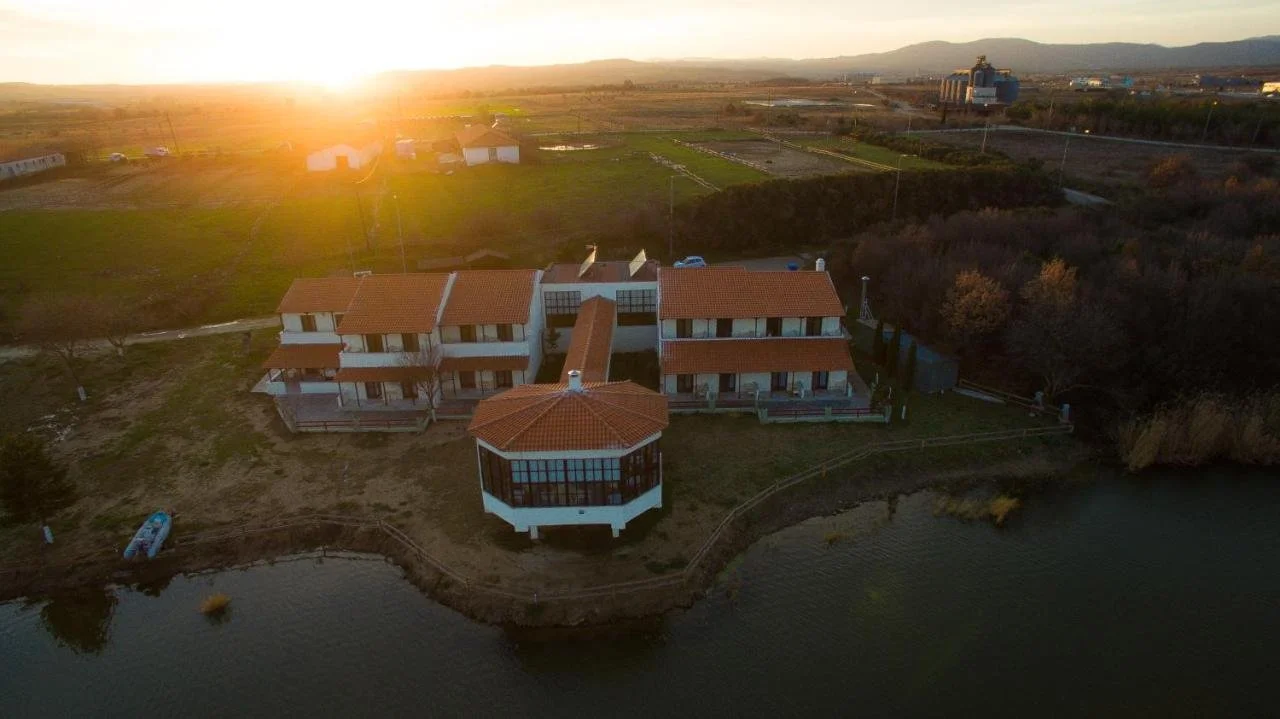
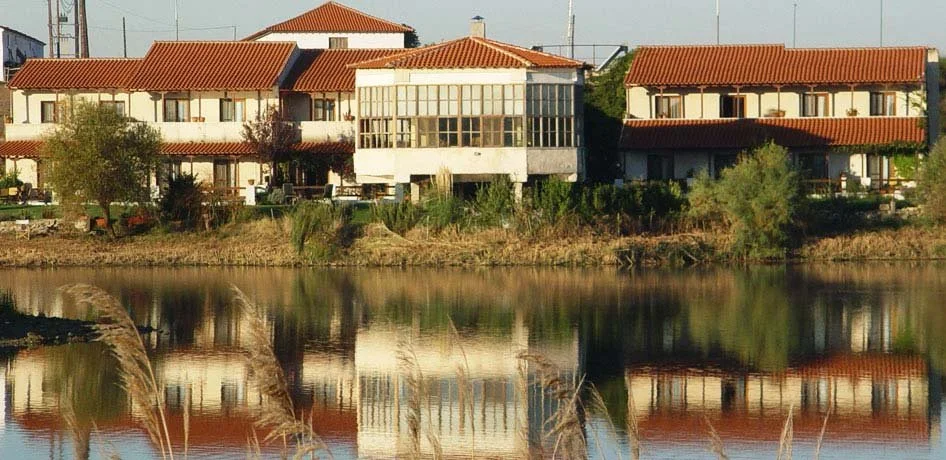
Participants in Narratives Through the Eye will stay at Thrassa Hotel, a charming eco‑tourism hotel nestled on the edge of Lake Tychero in the heart of Thrace. The hotel offers a serene retreat immersed in nature — a place where quiet mornings and reflective evenings support the residential practice of documentary photography.
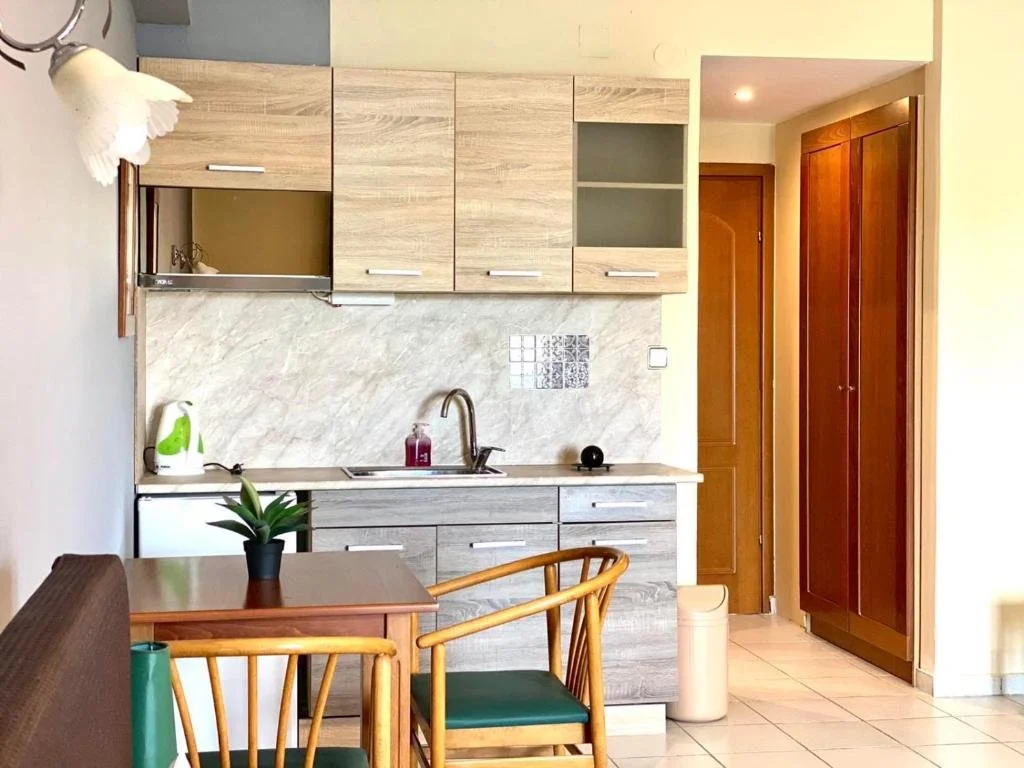
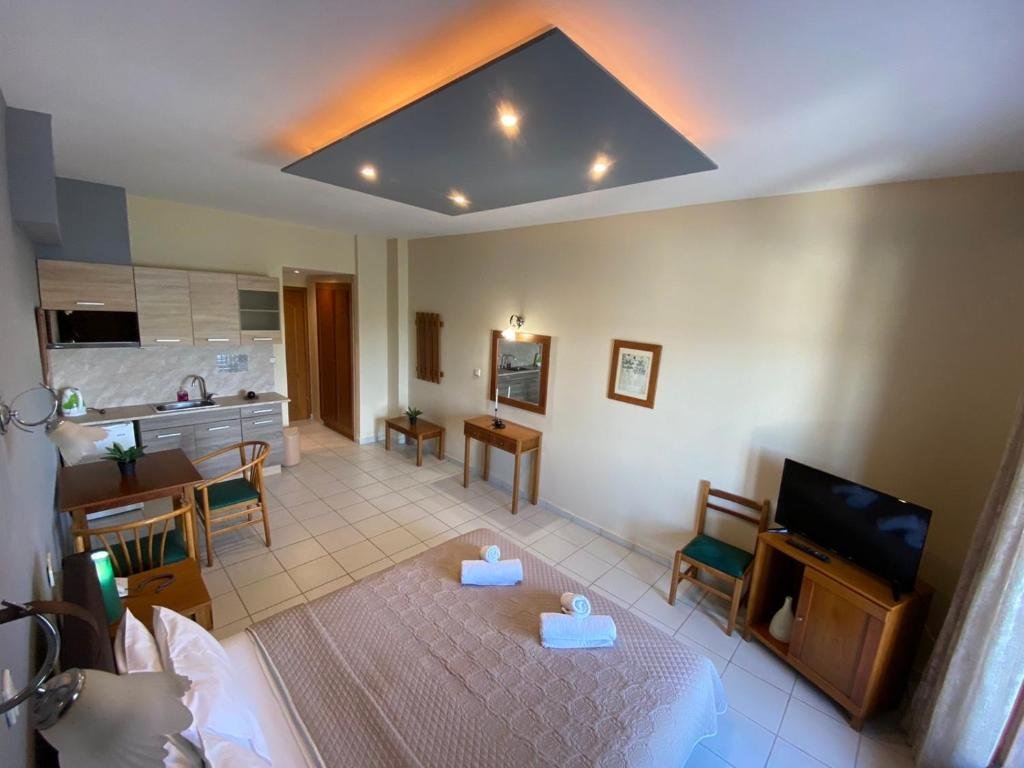
The hotel’s rooms and apartments are traditionally furnished and thoughtfully designed, many with private balconies and panoramic views of the lake and surrounding landscape. All accommodations include essential comforts such as free Wi‑Fi, air conditioning, television, and private bathrooms; some units also offer kitchen facilities and seating areas for independent work or rest.
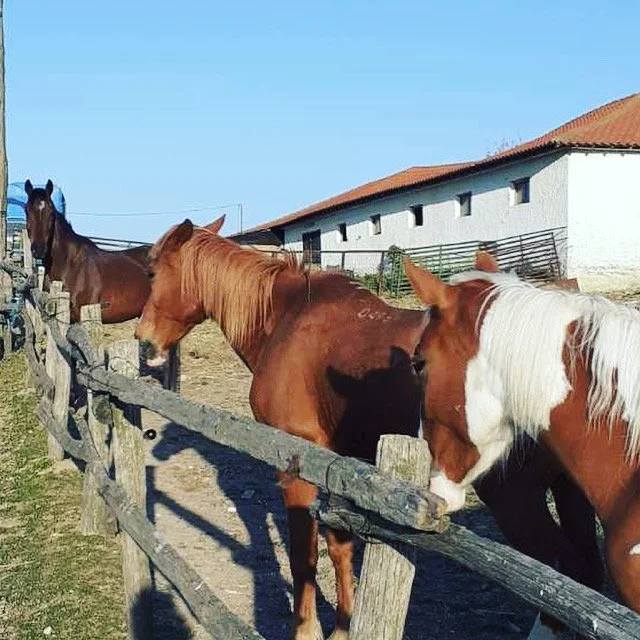
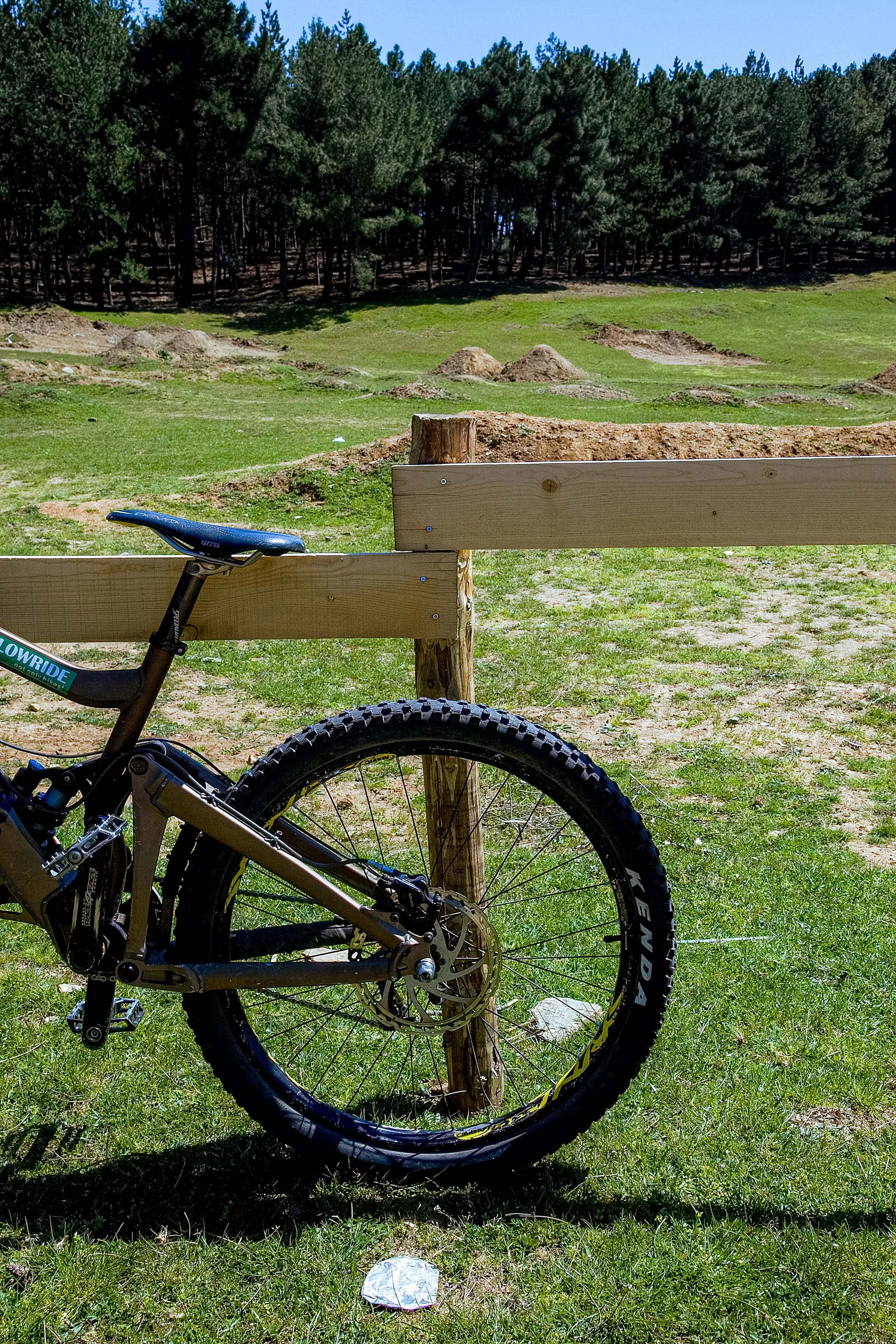
During your stay, the hotel’s welcoming public spaces — including a bar with a fireplace and garden areas — will serve as informal gathering points for reflection and exchange. The hotel can also support local activities, from gentle walks in nature to optional boat rides or horseback excursions around the lake.
This setting offers participants both personal privacy for focused creation and a calm communal environment for discussion and review — a balance that complements the residency’s investigative and narrative goals.
Program Fees
1290 euros Duration - 7 Days (7 overnight stays)
4 May - 11 May 2026
The participation fee includes:
Airport pickup from Alexandroupolis Airport and transfer to the guesthouse
Accommodation in a private room with bathroom and breakfast
Daily transportation by van to field locations
Continuous mentoring and curatorial guidance
Visit to the Silk Museum of Soufli
Two-day excursion to the Pomak villages of Xanthi and thermal springs
Collective exhibition / presentation of the works
Deadline: 28 February 2026
FAQs
Is there funding available?
At this time, Eutopia Art Residency cannot provide scholarships. We can issue an invitation letter confirming your acceptance to the program, which you may use to apply for funding from organizations in your country.
Are there any requirements for artists?
The program focuses on research, observation, and fieldwork. There are no required outcomes, and participants are encouraged to explore and create at their own pace while engaging with the landscapes, communities, and cultures of Thrace.
What is included in the participation cost?
The participation fee (1290 €) covers:
Accommodation in double rooms at Hotel Thrassa, near Lake Tychero.
Daily transportation to all field locations by van.
Full participation in seminar activities, guided walks, group reflections, and discussions.
Continuous mentorship and guidance from the curator.
Two-day excursion to the Pomak villages of Xanthi and thermal springs.
What is not included in the participation cost?
Travel to and from Thrace (flights or other transport not arranged by the program)
Travel or medical insurance
Personal materials or equipment needed for artistic practice (participants bring their own)
Optional excursions beyond the program
Can I bring a visitor?
Accommodation is strictly individual. If you wish to share your room with a friend, please contact us in advance, and arrangements may be possible.
Do I need to bring materials or equipment?
Yes — participants are expected to bring any materials, tools, or equipment they require for their own artistic practice. The residency encourages a personal, self-directed approach to creation.
Are group activities mandatory?
While attendance is flexible, guided walks, group discussions, and fieldwork are the core of the residency. Participation is strongly encouraged to fully benefit from the experience and engage with the field and the communities you will document.
How do I get to Thrace?
All participants travel together from Alexandroupolis by private van arranged by Eutopia. Detailed instructions, meeting points, and travel tips will be provided to all participants before the program begins.
What is the cancellation policy?
If the program is canceled by Eutopia, all advance payments are fully refunded.
If a participant cancels, advance payments are non-refundable.
If the spot is filled by another artist from the waiting list .